As Xbox grapples with an uncertain future, a reader contends that Nintendo Switch Online has become a more effective subscription service than Game Pass, despite the latter's initial hype. The reader, writing under the name Onibee Arrow, reflects on their experience playing Star Fox 64 on Nintendo Switch Online and draws comparisons to the Netflix of gaming model that Game Pass aspired to be.
Game Pass's Unmet Promises
Microsoft's Game Pass was widely expected to revolutionize the industry, leveraging the company's financial muscle to offer an unbeatable library of games. However, the reader notes that the service faltered due to several factors: rising prices, a lack of compelling first-party titles, and the simple reality that most gamers lack both the time and money to play a vast selection of games. The initial fear that Microsoft would dominate the market proved unfounded.
Nintendo Switch Online's Quiet Success
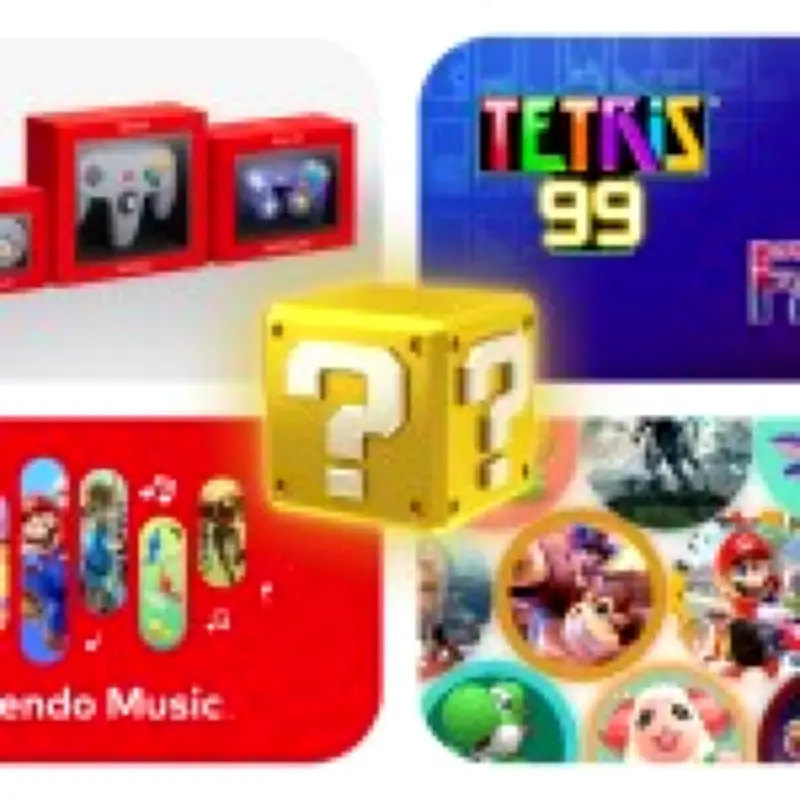
In contrast, Nintendo Switch Online has quietly amassed a subscriber base comparable to Game Pass, according to the reader. This success is attributed to the lower cost of the service, the familiarity of its retro game library, and the fact that it offers a curated selection of titles that many players have heard of or always wanted to try. The service also includes exclusive games like Tetris 99 and is required for online multiplayer, providing additional incentives for subscription.

The Expansion Pack tier, though pricier, still remains affordable and includes access to more retro formats and free DLC. The reader emphasizes that the service's price point is low enough that it often goes unnoticed as a recurring expense, unlike Game Pass, which Microsoft aggressively promotes.
Marketing and Consumer Perception
The reader highlights a key difference in marketing strategies: Microsoft constantly pushes Game Pass in consumers' faces, while Nintendo takes a more understated approach. This has allowed Nintendo Switch Online to become a staple for Switch owners, much like Netflix is for many households. The service does not overpromise but consistently delivers content that subscribers actually want.
According to the reader, the failure of Game Pass lies in its inability to achieve that same level of perceived necessity. While Nintendo Switch Online has become a basic service for Switch users, Game Pass never reached that status for Xbox owners.
The reader concludes that Nintendo's subscription model, with its retro focus and reasonable pricing, has quietly outperformed Game Pass in terms of subscriber satisfaction and integration into daily gaming habits.