Mr Nobody Against Putin Wins Oscar for Documentary on Russian War Propaganda
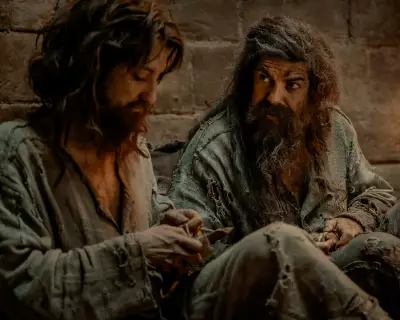
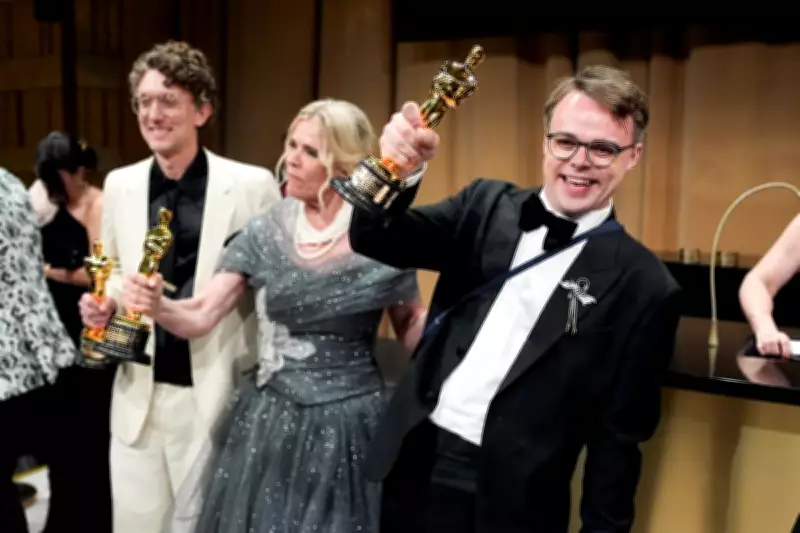
The documentary Mr Nobody Against Putin, which confronts the Russian leader's propaganda and patriotism program targeting the nation's youth following the invasion of Ukraine, secured the Oscar for Best Documentary Feature on Sunday. The film's protagonist and co-director, Pavel Talankin, delivered a poignant message from the stage in Russian, translated for the audience: "In the name of our future, in the name of all of our children, stop all of these wars now."
From Classroom to Oscar Stage
Talankin, a former teacher and activities director at a small-town school in Russia, secretly recorded his students' lessons, chants, and songs that promoted the war in Ukraine. He then smuggled his hard drives out of the country to collaborate with American director David Borenstein, who resides and works in Copenhagen, Denmark. Their partnership resulted in a film that provides a rare, insider look at how propaganda is disseminated among Russian youth.
The duo's acceptance speeches were among the most overtly political moments of the evening. Borenstein spoke broadly about nations descending into totalitarianism, drawing clear parallels between his own country and Talankin's. "Mr Nobody Against Putin is about how you lose your country," Borenstein stated. "You lose it through countless small little acts of complicity." He emphasized that a country is lost when citizens remain silent as governments kill people in the streets and oligarchs consolidate control over media, a point met with growing cheers in the auditorium.

Film's Tone and Reception
Distributed by Apple TV and premiering at last year's Sundance Film Festival, Mr Nobody Against Putin adopts a light and at times mischievously comical tone, with Talankin occasionally reminiscent of fellow Oscar winner Michael Moore. The film had previously won the British Academy Film Award during the Oscar run-up, but its victory was considered an upset over The Perfect Neighbor, a Netflix film built from police body camera footage that most media prognosticators had favored. Other competitors in the category included The Alabama Solution, Cutting Through Rocks, and Come See Me in the Good Light.
This Oscar marks the first for both Borenstein and Talankin, highlighting the film's impact in a category where the war in Ukraine has been prominent since its onset. In 2024, 20 Days in Mariupol won Best Documentary Feature, and this year's documentary short nominees included Armed Only With a Camera: The Life and Death of Brent Renaud, about an American journalist killed in the conflict.
Other Documentary Winners
In the documentary short category, the Oscar went to All the Empty Rooms, which chronicles broadcast journalist Steve Hartman and photographer Lou Bopp's efforts to memorialize the bedrooms of children killed in mass shootings. Directors Joshua Seftel and Conall Jones used their brief acceptance time to give the stage to Gloria Cazares, mother of Jackie Cazares, a child featured in the film. "My daughter Jackie was 9 years old when she was killed in Uvalde. Since that day, her bedroom has been frozen in time," Cazares said. "We believe that if the world could see their empty bedrooms, we’d see a different America."
The evening underscored the power of documentary filmmaking to address pressing global issues, from war propaganda to gun violence, resonating with audiences and critics alike.