Ian McKellen's Lip-Sync Performance in LS Lowry Documentary Draws Mixed Reactions
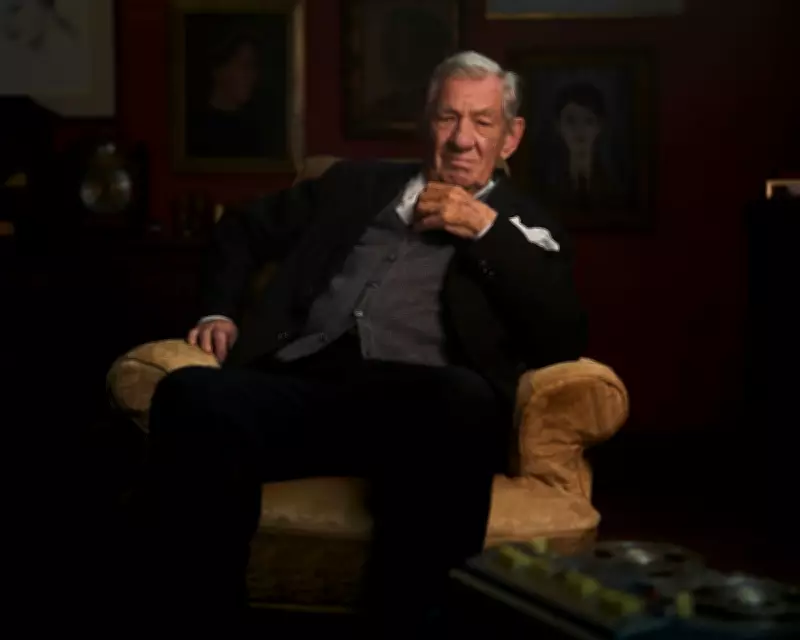
A recent documentary titled "LS Lowry: The Unheard Tapes" has ignited a wave of critical debate, primarily centred on Sir Ian McKellen's unconventional role. In this production, McKellen engages in lip-syncing to archival audio recordings of the renowned artist LS Lowry, a technique that has divided reviewers and audiences alike.
Innovative Storytelling or Distracting Gimmick?
The documentary employs this lip-sync method as a novel approach to biographical storytelling, aiming to bring Lowry's own words to life through McKellen's esteemed acting prowess. Proponents argue that this creative choice adds a layer of authenticity and emotional depth, allowing viewers to connect more intimately with Lowry's personal reflections and artistic philosophy. By synchronising McKellen's facial expressions and gestures with the original audio, the film seeks to bridge the gap between historical record and contemporary engagement.
However, critics have voiced concerns that the lip-syncing can feel jarring or artificial at times, potentially detracting from the documentary's educational and artistic merits. Some reviewers suggest that the technique might overshadow the substantive content about Lowry's life and work, turning the focus towards the performance itself rather than the subject matter. This dichotomy highlights the ongoing tension in documentary filmmaking between innovation and tradition.

Broader Implications for Biographical Media
Beyond the immediate reactions to McKellen's performance, "LS Lowry: The Unheard Tapes" raises broader questions about the evolution of biographical documentaries in the modern media landscape. As filmmakers increasingly experiment with hybrid formats—blending archival footage, re-enactments, and actor interpretations—this documentary serves as a case study in balancing creative risk with factual integrity.
The use of a high-profile actor like Ian McKellen also underscores the commercial and artistic considerations involved in such projects. While his involvement likely attracts a wider audience, it also invites scrutiny over whether star power enhances or distorts the narrative. This debate resonates with similar discussions in other biographical works, where celebrity casting can both elevate and complicate the storytelling process.
Ultimately, the documentary's reception suggests that while innovative techniques can enrich biographical portrayals, they must be executed with careful attention to coherence and respect for the subject. As audiences and critics continue to weigh in, "LS Lowry: The Unheard Tapes" may influence future approaches to documenting historical figures, encouraging a more nuanced exploration of how to authentically convey personal histories without compromising on artistic vision.