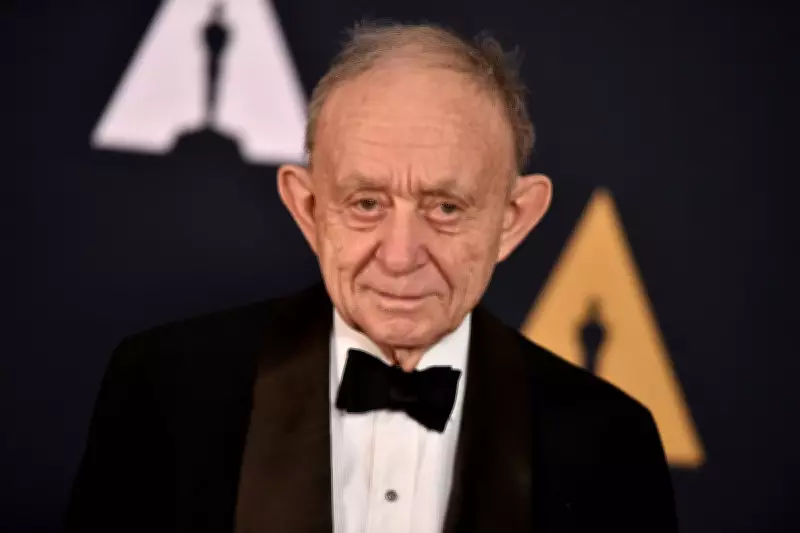
Oscar-Winning Documentary Filmmaker Frederick Wiseman Dies at Age 96
Acclaimed documentary filmmaker Frederick Wiseman, renowned for his unflinching and influential portrayals of American institutions, has died at the age of 96. His passing on Monday was confirmed by his family and his long-standing production company, Zipporah Films. Wiseman directed more than 35 seminal non-fiction films throughout his illustrious career, leaving an indelible mark on the documentary genre.
A Legacy of Groundbreaking Films
Wiseman's body of work includes iconic documentaries such as Titicut Follies and High School, which are celebrated for their raw and honest examinations of societal structures. His distinctive filmmaking style, which deliberately avoided narration and traditional documentary techniques, earned him widespread critical acclaim and a dedicated following. In 2016, his contributions to cinema were honoured with an honorary Academy Award, recognising his unique artistic vision and profound impact on non-fiction storytelling.
Controversy and Censorship
One of Wiseman's most notable works, the 1967 documentary Titicut Follies, faced significant controversy and legal challenges due to its stark depiction of conditions at a state hospital for the criminally insane. The film was subjected to a two-decade ban, highlighting the provocative nature of his approach and the powerful reactions his work could evoke. Despite this, Titicut Follies is now regarded as a landmark in documentary filmmaking, praised for its courage and uncompromising realism.

Throughout his career, Wiseman continued to explore complex themes within American institutions, from education and welfare to law enforcement and healthcare. His films are characterised by their meticulous observation and lack of editorialising, allowing viewers to draw their own conclusions from the footage. This method not only challenged conventional documentary norms but also inspired generations of filmmakers to adopt a more immersive and objective style.
Wiseman's death marks the end of an era for documentary cinema, but his legacy will endure through his extensive filmography and the lasting influence he has had on the art of non-fiction filmmaking. Tributes from colleagues, critics, and admirers have poured in, celebrating his dedication to truth-telling and his unwavering commitment to shedding light on the inner workings of society.