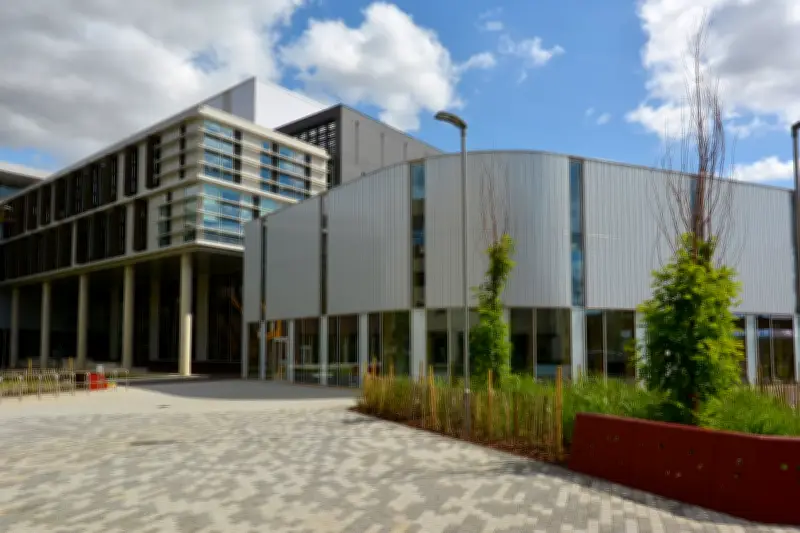
Prof Anne-Marie Kilday, vice-chancellor of the University of Northampton, has highlighted how widening access to higher education is a key driver of regional productivity and national economic resilience. In a letter to the Guardian, she argued that universities are not just engines of individual advancement but also vital contributors to community wellbeing, particularly in towns like Northampton.
Economic Impact of the University
The University of Northampton generates £366m in gross value added (GVA) locally, rising to £823m nationally. This means that for every £1 of income the university receives, it returns more than £4 to the economy. The higher-education sector as a whole generates £52.3bn in income, and any large-scale losses would hit the public purse and compound the UK's productivity problem, Kilday warned.
Graduate Employment in Public Services
More than half of the university's graduates enter full-time roles in the NHS and education. Each year, thousands of students undertake over 600,000 hours of placements in local hospitals, GP surgeries, and schools. These experiences are personally recognised by many Northamptonshire residents, whether through a trainee teacher in a classroom or a student nurse on a ward.
Apprenticeships and Degrees Coexisting
Kilday emphasised that degree-level apprenticeships are embedded across businesses and public services in the county, showing that apprenticeships and degrees are not an either-or choice but can coexist. This approach supports both individual career paths and local workforce needs.
A Call to Ministers
The vice-chancellor urged ministers to make a stronger case for the value of higher-education institutions, describing support for access as an investment in the prosperity of communities that need it most. She concluded that for towns like Northampton, higher-education participation is a practical engine of economic resilience and civic wellbeing.