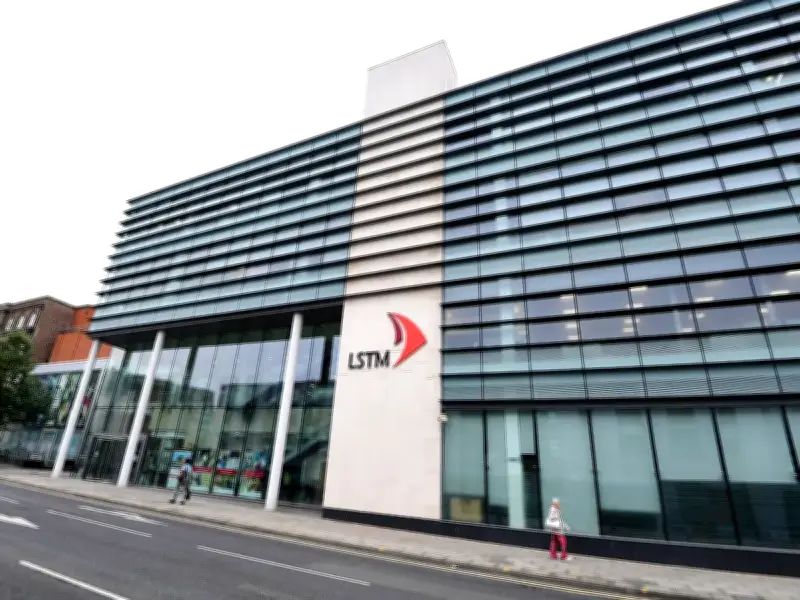
The Liverpool School of Tropical Medicine (LSTM) is planning significant cuts to achieve £24m in savings over three years, citing "significant" financial challenges, which could lead to potential job losses.
Earlier this month (October 15), the University and College Union (UCU) released a statement about potential cuts and job losses at the school, which said: "LSTM is seeking savings of approximately £8 million this financial year, with similar savings in each of the following two years, as announced by the vice-chancellor in all-staff communications at the end of July. A voluntary severance process has taken place, with significant redundancies now being considered."
Union recognition and negotiations
The ECHO understands that LSTM does not currently recognise a union, but negotiations are ongoing with three unions - UCU, Unite and Unison - around formal recognition. Nonetheless, the UCU does have members who work for LSTM and is offering support and advocacy.
The specifics around LSTM's need to make these savings are not immediately clear, while staff unions say they have not received a sufficiently detailed explanation of the plans.
Call for transparency
UCU is calling on LSTM management to share its intentions with the unions, and outline its financial position, the proposed savings, the scale and distribution of any potential redundancies, and the potential impact on research programmes, education, and specialist expertise.
Just last month, LSTM announced a new £20m robotic laboratory designed to accelerate the development of drugs, vaccines and diagnostics. The facility is forecast to generate £40m of investment in its first three years, while supporters of the project said it could create hundreds of technology jobs when it becomes fully operational in 2027.
UCU says that once experienced staff leave and specialist teams are lost, rebuilding that capacity and expertise will be difficult, expensive and time-consuming, while the potential consequences would extend beyond the immediate number of jobs at risk.
Impact on research and economy
The UCU statement added: "Cuts could affect Liverpool's life sciences economy, the institution's international standing, its future research capacity and the expertise available to help prepare for future pandemics and other biological threats. [...] Staff and students shouldn't have to suffer cuts to funding and the mistakes of senior management, and that the employer should recognise the joint trade unions and work with them to avoid job losses."
The ECHO was sent an updated statement from UCU on October 28, which began: "Huge cuts are being planned at the Liverpool School of Tropical Medicine, and a large number of jobs are being put at risk."
UCU warned that the proposed cuts would "weaken" public health research, and has put out an "urgent call" to people across Liverpool to show support for any workers impacted, and to mobilise a campaign to prevent the cuts from going ahead.
UCU general secretary Jo Grady said: "Any cuts by Liverpool School of Tropical Medicine will not just impact staff affected but will mean a poorer experience for students and risk the vital research capacity in the region. University management must come clean on its plans, rule out job cuts and recognise and work with unions to ensure a stable future for LSTM's vital research in Liverpool and the wider North West."
LSTM response
Responding to questions about the potential cuts, the implications for workers, and the rationale behind its proposal, a spokesperson for LSTM said it faced "significant" financial challenges, similar to those faced by other higher education institutions, and cited reductions in international student numbers, persistent underfunding of research, and sustained cuts in research grant funding.
LSTM also confirmed it will "consult fully" with staff before any final decisions are made. It added: "We must make further reductions to our recurrent cost base if we are to be sustainable into the future. This means we are faced with some very difficult decisions, including potential redundancies."