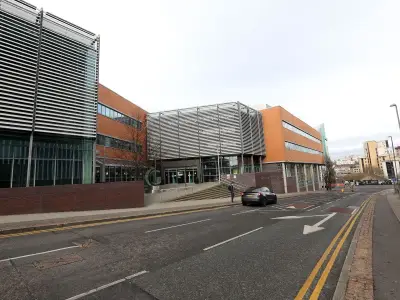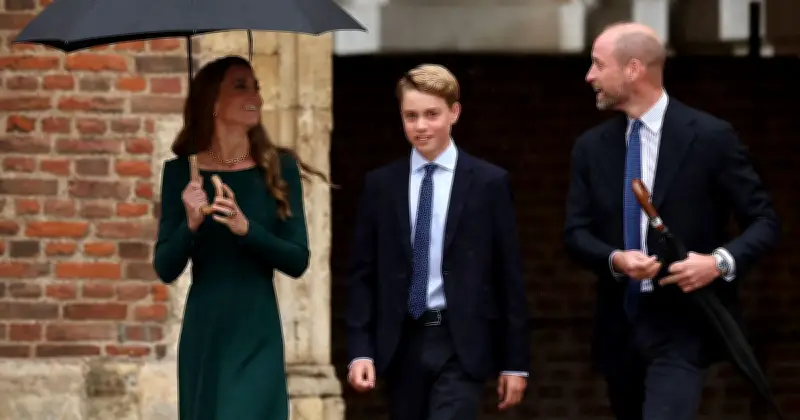
Prince George began his studies at Eton College last month, following in the footsteps of his father, Prince William, and his uncle, Prince Harry, who attended the school in the early 2000s. The 13-year-old, the eldest child of the Prince and Princess of Wales, was pictured arriving at the school grounds with his parents, appearing in high spirits ahead of the new term.
Brick phones and colour tests
New students at Eton are restricted to using a "brick phone" that can only call and text, meaning George will not be able to use the latest iPhone or an up-to-date Android phone. Older pupils are gradually given more freedoms, but the rule is designed to help new boys settle into boarding life without constant distractions.
New students are also expected to memorise the colours of all 25 boarding houses, as well as the locations of dozens of buildings across the campus, which comprises more than 400 properties. Older pupils then test them on this knowledge, making it one of the school's oldest rites of passage.
The Tardy Book and the dreaded 'rip'
The Tardy Book, which records student lateness, has its own entry in the school's official glossary. Boys who appear in the book must report to the School Office before lessons, usually between 7.35am and 7.45am. It can also be issued for repeatedly handing in work late.
One of Eton's best-known traditions is the "rip": if a teacher considers a student's work particularly poor, they can issue a rip, historically meaning they could physically tear the top corner of the page before sending it to be signed off by the boy's House Master and tutor. Multiple rips can escalate into a dreaded 'white ticket'.
Learning a new language
George will also have to learn a different language during his education at Eton. The school uses many words that outsiders wouldn't understand, such as teachers being known as 'beaks', lessons as 'divs', and year groups as 'blocks'.