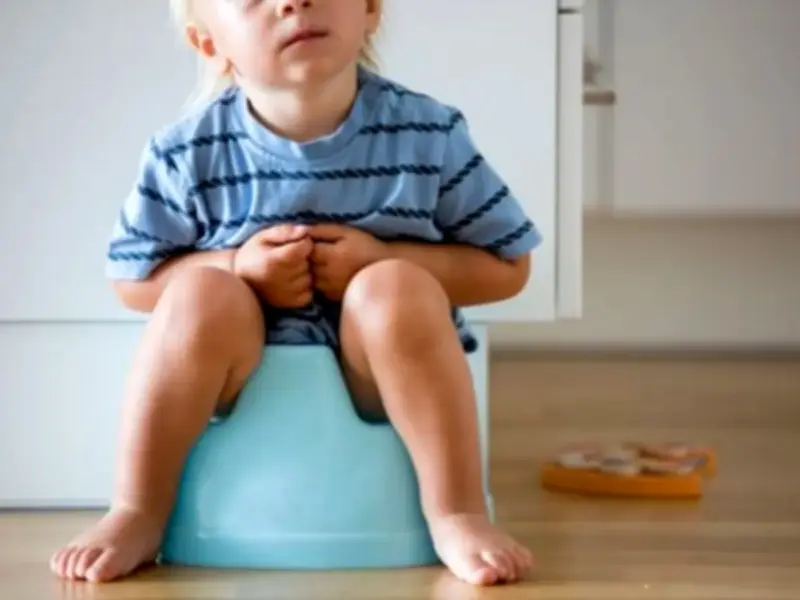
Parents across England are set to receive extra support to toilet train their children before they start primary school, following a successful pilot in York that cut the proportion of children starting school not toilet trained by 42%.
Earlier this year, City of York Council sent informational leaflets about potty training to 1,700 families as part of the pilot scheme. The leaflets were issued alongside school place offer letters. As a result, fewer children in York started reception without toilet training last month compared with last year's cohort of school starters.
Pilot results and national context
Project leaders said the improvement was a direct result of the targeted campaign launched in April. A survey of teachers by charity Kindred Squared suggested that around one in four children who started reception in 2025 were not toilet trained. The Government is pushing to increase the proportion of children starting reception "school ready".
The York pilot, funded by Kindred Squared, included parent workshops, teacher training sessions, and leaflets provided to GP surgeries and libraries to encourage families to toilet train their four-year-olds. Overall, 55 mainstream state primary schools in York were asked to compare the number of children who were not toilet trained when they started school in September 2025 with the number this September.
Expansion to other councils
Around 20 councils in England are now looking to use the same blueprint as York, including Suffolk, North Lincolnshire, Hampshire, Rotherham, Halton, and the London Borough of Redbridge and Solihull.
Gail Brown, chief executive of Ebor Academy Trust, which had six schools included in the York pilot, said: "I think that there's been a very clear expectation across the whole city that children who start school, where possible, will start toilet trained. It was very much about supporting parents, not blaming parents."
Impact on classrooms
Jo Mould, a teacher at Robert Wilkinson Primary Academy in York, one of the schools which took part in the pilot, said: "I think the biggest impact for us has been that we don't have to spend so much time changing children now. For safeguarding reasons it took two people to change a child and that meant taking those two members of staff out of the classroom to go and change the children."
She continued: "Obviously, the higher the number of children in nappies, or who were having toilet accidents, that increases that amount of time away from the other children. So in terms of that huge reduction, it means that the adults now can spend far more time in the classroom and in the areas with the children."
"I think in terms of educational outcomes, it is very much a successful initiative," Ms Mould added.
Felicity Gillespie, chief executive of Kindred Squared, said: "We know from our annual school readiness surveys that, on average, teachers have been losing the equivalent of a day a week of teaching time helping children who are not able to go to the toilet themselves."
"We also know parents and carers have been calling for clear and concise advice, and this just shows that when the best resources are really targeted, everyone benefits," she added. "No wonder dozens of other councils are now showing interest in repeating York's pioneering project around the country."
Paul Waugh, minister for early education, said: "Toilet training can be one of the biggest milestones in a child's early years, so it's encouraging to see this pilot helping more children develop the confidence and independence they need before starting school."
"When children are supported to take these important steps early, it can make a real difference to how they settle in, make friends and start learning."