Emily Mulligan, a Sydney-based writer, has described being a working parent as a "logistical and psychological nightmare" and called for a change so school holidays are something to look forward to rather than dread. In a personal essay, she highlighted the annual 814-hour childcare shortfall faced by full-time working parents of primary school-aged children.
The daily juggle of school and work
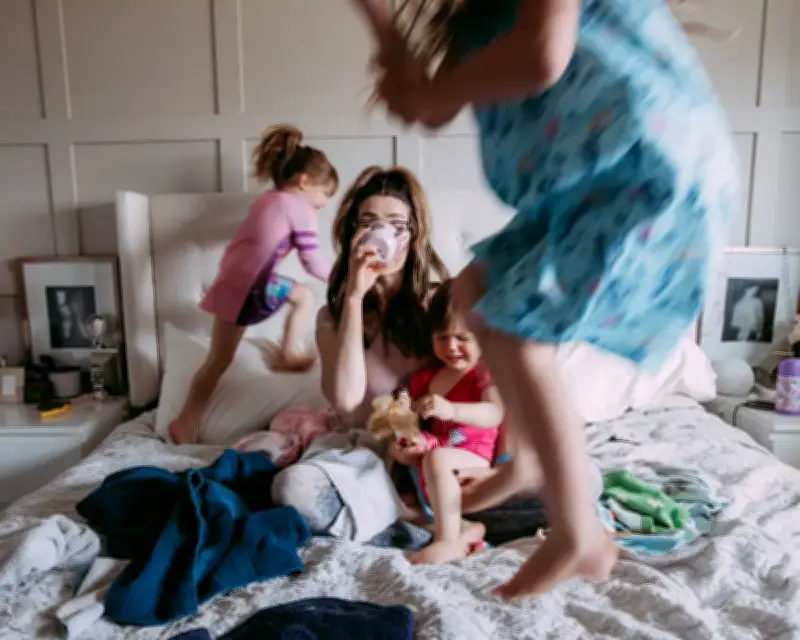
Mulligan wrote that when her eldest started school, she discovered the school day ended at 3pm while her work day did not. Since then, her life has involved organising before-school care, after-school care, activities, therapy, swimming and dentist appointments for two kids, five days a week.
She described using colourful markers, a magnetic planner and a joint calendar run "like a military operation", but noted that one mistake could leave a child unsupervised. "Parents do not have a monopoly on being busy or having problems. But we do deserve a medal. Or a break. Or at least to have a mathematical chance at success," she wrote.
The 814-hour gap and its costs
Mulligan referenced Georgie Dent, CEO of The Parenthood, whose National Press Club speech made headlines for stating that parents of primary school-aged children who work full time need to find 814 hours of care each year that "don't exist". Mulligan added that some parents can rely on grandparents, but few can cover the gap, leading many to work less or use iPads and rotate kids to friends' houses. Even with two lots of annual leave, a huge gap remains.
She acknowledged that her own job is flexible, but for parents with fixed schedules or single parents, "the mind simply explodes". Mulligan also noted the toll of constant administration and being a distracted parent, jokingly referring to the "fallacy of eye creams" for the physical effects.
A call for change
Mulligan said the one tangible improvement AI has brought her is booking tennis lessons and adding them to the calendar, and sorting through emails about dance rehearsals. "I'd like to do less of the drudgery and more of the care for my kids," she wrote, adding that she wants time to hang out with them without being distracted by work.
She concluded by asking readers to imagine if school holidays could be something to look forward to, instead of something to dread.