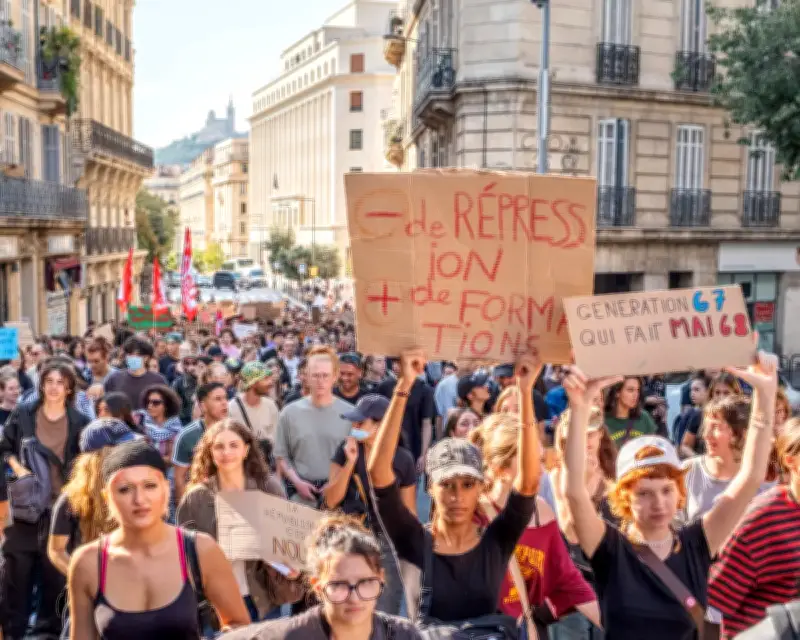
Tens of thousands of pupils across France have disrupted schools in a wave of protests against an underfunded education system, drawing attention to years of budget cuts, crumbling buildings, and chronic staff shortages. The demonstrations, which culminated in a huge turnout on Tuesday, have also sparked criticism of the government's heavy-handed response, with more than 200 students injured and nearly 1,500 minors facing prosecution.
Students' modest demands amid economic uncertainty
In contrast to the idealistic slogans of May 1968, such as "L'imagination au pouvoir" (Power to the imagination), the goals of today's protesters are more modest. One placard on display read: "I'd like to be worrying about my maths exam, not my future." The protests reflect anxieties over the climate emergency, the impact of AI on future job opportunities, and an opaque, algorithmically driven university selection process.
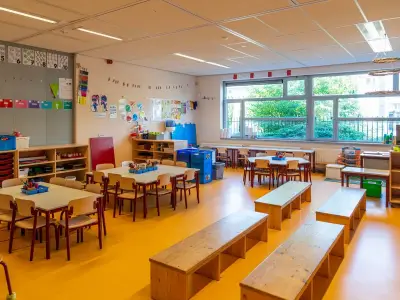
Tuesday's protests, which included many parents and teachers, confirmed deep resentment at budget cuts leading to overcrowded classes and a lack of resources to deal with frequent heatwaves that make classrooms intolerable in May and June.
Government response and political fallout
Emmanuel Macron's government has been accused of a disastrously heavy-handed response, urging security forces to break up school "blockades" rather than showing restraint given the age of most participants. The result has been heightened confrontation and violence on both sides, with more than 700 police officers and a number of teachers also injured. One 15-year-old boy had his hand blown off during a protest in Lens, another lost an eye, and more than 4,000 minors were taken into custody.
The protests have underlined the folly of Macron's attempts to balance France's books by cutting social spending. During his chaotic second term, five prime ministers have tried to force through austerity budgets. The latest, Sébastien Lecornu, has belatedly said students' core demands should be addressed, but last month proposed cuts worth €54bn, including a real-terms reduction in schools funding.
Ominous outlook ahead of presidential election
With a presidential election six months away and Marine Le Pen the frontrunner, the spectacle of burned-out schools and teargassed protesters feels ominous. Le Pen has accused the hard left of fomenting the protests and called for tougher "anti-riot" legislation. Public sector workers demonstrated on Tuesday against wage freezes, and major unions are planning further demonstrations in November.
As calls mount for further spending cuts to appease market sentiment, the scale and intensity of the school protests should be heeded by the political class. As the social contract in France comes under increasing strain, the voice of its protesting students needs to be heard.