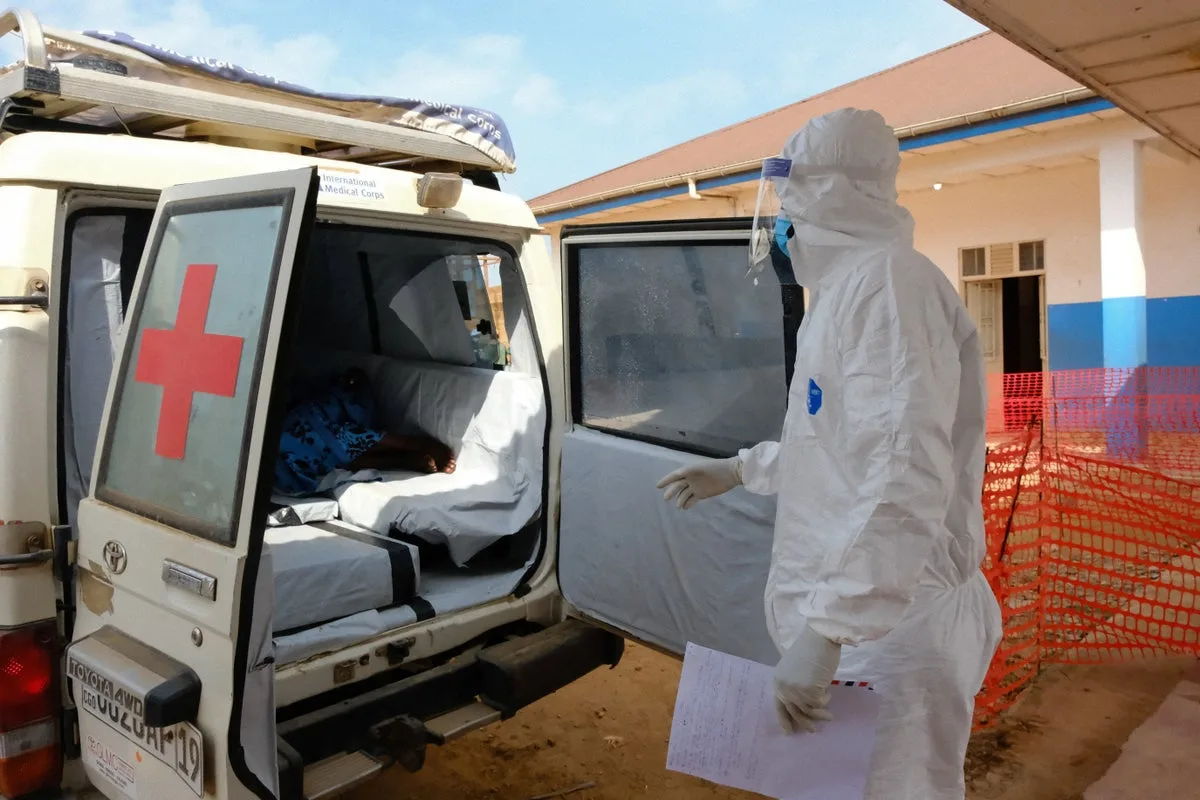
Pregnant women in the Democratic Republic of Congo are increasingly avoiding hospitals amid one of the worst Ebola outbreaks in history, sparking fears of a spike in preventable maternal deaths. Health workers report that fear of infection is keeping expectant mothers away from health centres, preventing vital prenatal checks and increasing the risk of dangerous home births.
The United Nations Population Fund has recorded additional maternal deaths in the eastern Ituri province, the epicentre of the outbreak. Noemi Dalmonte, UNFPA's deputy representative in the DRC, said three deaths were directly linked to Ebola, either because women were too scared to attend health facilities or showed symptoms consistent with the virus. Confirmed maternal deaths in Ituri rose to seven, compared to two in the same week last year.
Since the outbreak was declared over a month ago, confirmed Ebola cases across the DRC and neighbouring Uganda have reached at least 894, with more than 200 deaths, according to Africa's Centres for Disease Control and Prevention. The outbreak is caused by the rare Bundibugyo virus, which has no approved vaccines or treatments. In the provincial capital Bunia, prenatal consultations at one clinic have dropped from around 60 expectant mothers a month to just 10.
Misinformation about the disease is widespread, with some community members blaming international NGOs. Efforts to contain the virus have been hampered by weak health infrastructure and global aid cuts, including the slashing of US aid overseen by President Donald Trump last year. Africa CDC has warned the outbreak could become the worst ever, costing billions to contain if critical weaknesses are not addressed.