A senior Iranian Revolutionary Guards officer, Mohsen Rezaee, declared on Sunday that 'the end of the war is in our hands,' calling for the withdrawal of US forces from the Gulf and compensation for damage. This confidence marks a sharp reversal from three weeks ago, when Tehran's officials seemed unlikely to speak so boldly.
The conflict began with a surprise Israeli strike that killed Iran's supreme leader. US and Israeli warplanes then operated with impunity over Iran, striking thousands of targets. Iran retaliated with missiles and drones, largely intercepted, causing 12 deaths in Israel—substantially fewer than in last year's shorter war. Gulf states suffered more damage but avoided crippling losses, though their interceptor missile stocks and reputation as safe havens are now questioned.
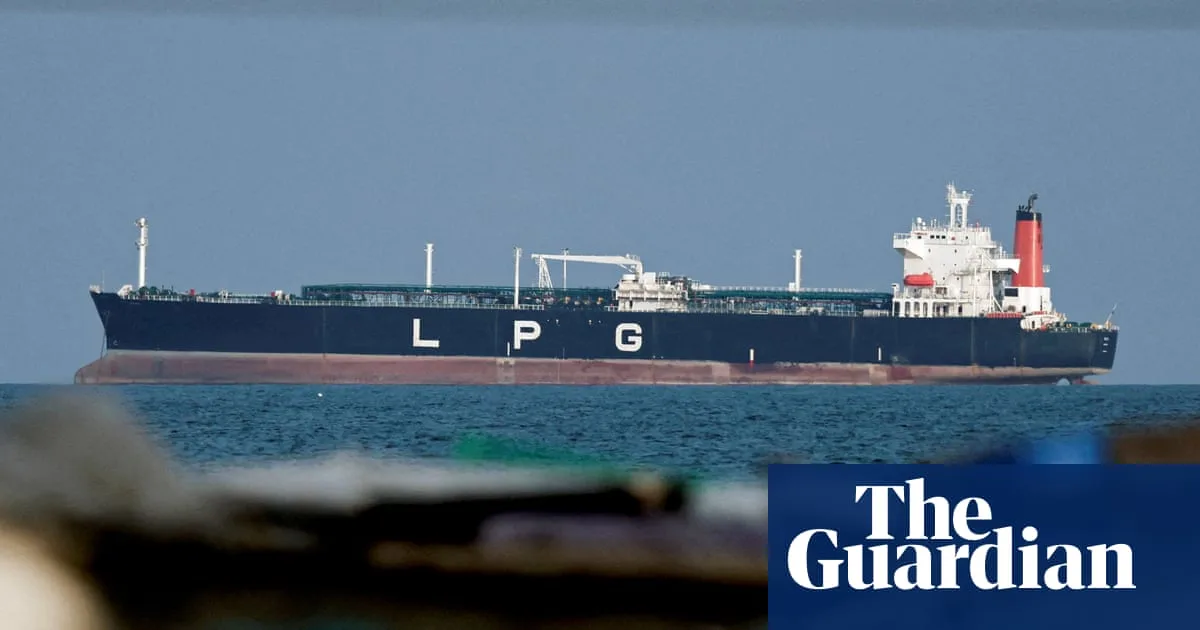
The critical shift has been Iran's closure of the Strait of Hormuz, through which a fifth of the world's oil and gas flows. This has sent oil prices soaring, putting US President Donald Trump under domestic and international pressure to end hostilities quickly. Analysts view this as a strategic win for Iran.
Danny Orbach of the Hebrew University insists Israel and the US still set the agenda, noting Iran is running out of missile launchers and escalated by closing the strait. He argues that the US could destroy Iran's oil facilities on Kharg Island, crippling its economy. However, Peter Neumann of King's College London counters that Iran has played a bad hand successfully, and now holds the initiative.
The US has called for allied warships to help reopen the strait, but no country has responded, and analysts warn such a mission would be fraught with risk. With no sign Iran's leadership will relent, the decision to end the blockade appears to rest in Tehran, suggesting the war may drag on longer than Washington intended.