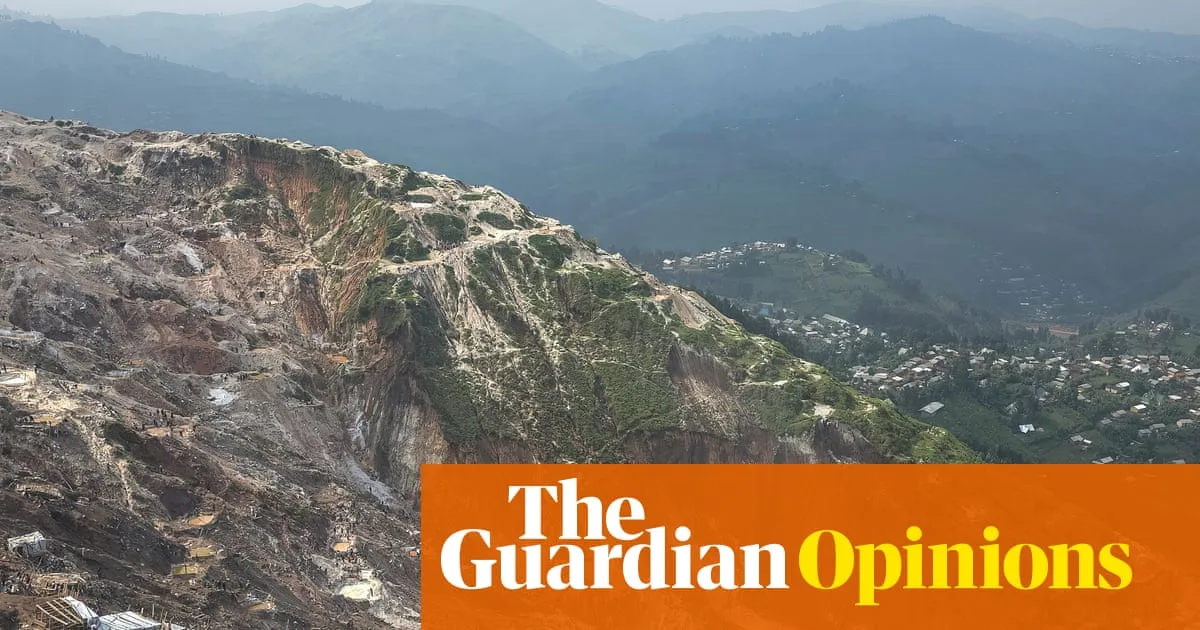
A mining disaster in the Democratic Republic of Congo has underscored the human cost of the global scramble for critical minerals. At least 200 artisanal miners were crushed or suffocated when a coltan mine collapsed in Rubaya, eastern DRC, in late February. The tragedy comes as the US, EU, and China vie for access to the country's vast mineral wealth.
The US has launched 'Project Vault', a $12bn strategic reserve plan, and hosted a summit on critical minerals trade. A proposed US-DRC deal is touted as a path to peace and prosperity, but critics say it offers little help for local processing capacity and requires a decade-long freeze on taxes and regulations. The EU, meanwhile, weakened key due diligence rules on minerals in December.
DRC's resources have been plundered for centuries, with 80% of the population living below the poverty line. The Rubaya mine is in territory seized by M23 rebels, who generate an estimated $800,000 monthly from mining, funding their insurgency. Rwanda, accused of backing M23, is reportedly smuggling coltan at unprecedented levels.
The disaster highlights the trade-off described by journalist Nicolas Niarchos: 'cleaner power at home for pollution and suffering elsewhere'. Meeting climate goals requires vast amounts of lithium and cobalt, but exploitation and environmental damage are not inevitable. The African Policy Research Institute notes that resource demand could give African states leverage for fairer deals, but this requires strong institutions and transparency.
The DRC's example is not encouraging. As Global Witness notes, Trump's mineral hunger may be driven by military needs—tantalum from coltan is used in jet engines and missiles. Growing conflict fuels demand, and demand fuels conflict, with the EU's minerals deal with Rwanda drawing criticism.