In a significant escalation of counter-insurgency operations, Pakistani security forces have eliminated approximately 177 militants affiliated with the outlawed Baloch Liberation Army (BLA) over a 48-hour period. This represents the highest militant death toll recorded in decades within the region, according to analysts monitoring the conflict.
Coordinated Raids Follow Wave of Attacks
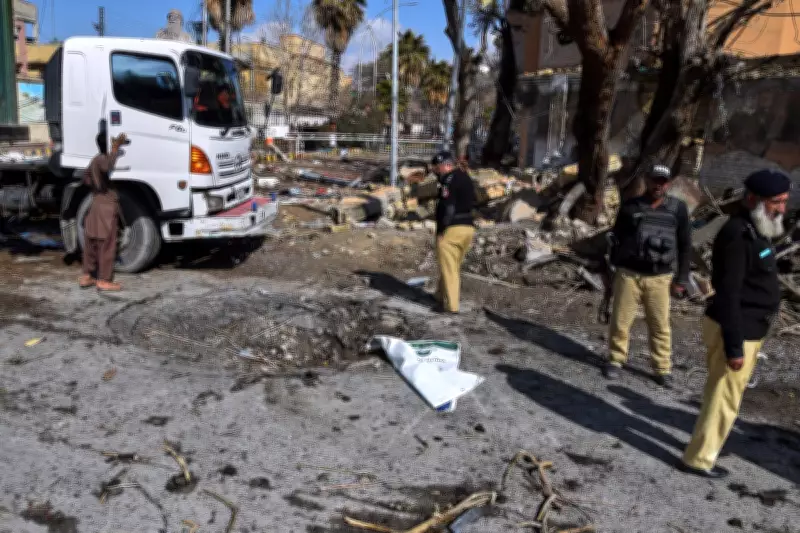
The intensive military and police action was launched in direct response to a devastating wave of coordinated insurgent assaults that struck the insurgency-hit southwestern province of Balochistan over the weekend. Officials confirmed that nearly 200 militants, operating in small groups, carried out simultaneous suicide bombings and gun attacks targeting police stations, civilian residences, and key security facilities across the province.
These brutal weekend attacks, which were claimed by the BLA, resulted in the deaths of at least 33 people. The casualties included 18 civilians and 15 members of the security forces, drawing widespread condemnation from political leaders across Pakistan's political spectrum.

Security Operations Intensify
Since early Saturday, police units, backed by military forces, have been conducting relentless raids across several areas of Balochistan. The operations have focused on rooting out members of the banned separatist group. On Monday, Interior Minister Mohsin Naqvi issued a statement praising security forces for killing an additional 22 insurgents overnight, bringing the total to 177.
In his remarks, Minister Naqvi described those killed as "Indian-backed terrorists," although he presented no immediate evidence to substantiate the claim. There has been no official response from New Delhi regarding these allegations.
Background of the Balochistan Conflict
Baluchistan, while being Pakistan's largest province by area, remains its least populated. The region is characterised by high mountainous terrain and is a central hub for the country's ethnic Baluch minority. Many Baluch community members have long alleged systematic discrimination and economic exploitation by the central government in Islamabad.
These grievances have fueled a persistent separatist insurgency demanding independence for Balochistan. The province is also known to be a operational zone for various Islamic militant groups, adding layers of complexity to the security situation.
Ongoing Disruption and Historical Context
Although authorities reported that a degree of normalcy had largely returned to the province by Monday, significant disruptions persist. Train services connecting Balochistan with the rest of the country remained suspended for a third consecutive day, a precautionary measure implemented by provincial authorities citing ongoing security concerns.
This latest violence echoes previous atrocities. In March of this year, BLA militants attacked the Jaffar express train, killing at least 31 people and taking passengers hostage before security forces launched a successful rescue operation that resulted in the deaths of all 33 assailants.
The Baloch Liberation Army, which is officially banned in Pakistan, has been responsible for numerous attacks in recent years. Their targets frequently include Pakistani security forces, Chinese interests, and critical infrastructure projects. Authorities assert that the group often operates with support from the Pakistani Taliban, known as Tehrik-e-Taliban Pakistan, which maintains alliances with Afghanistan's Taliban rulers.
The scale and intensity of the recent clashes underscore the enduring and volatile nature of the conflict in Balochistan, presenting a formidable challenge to Pakistan's internal security apparatus.