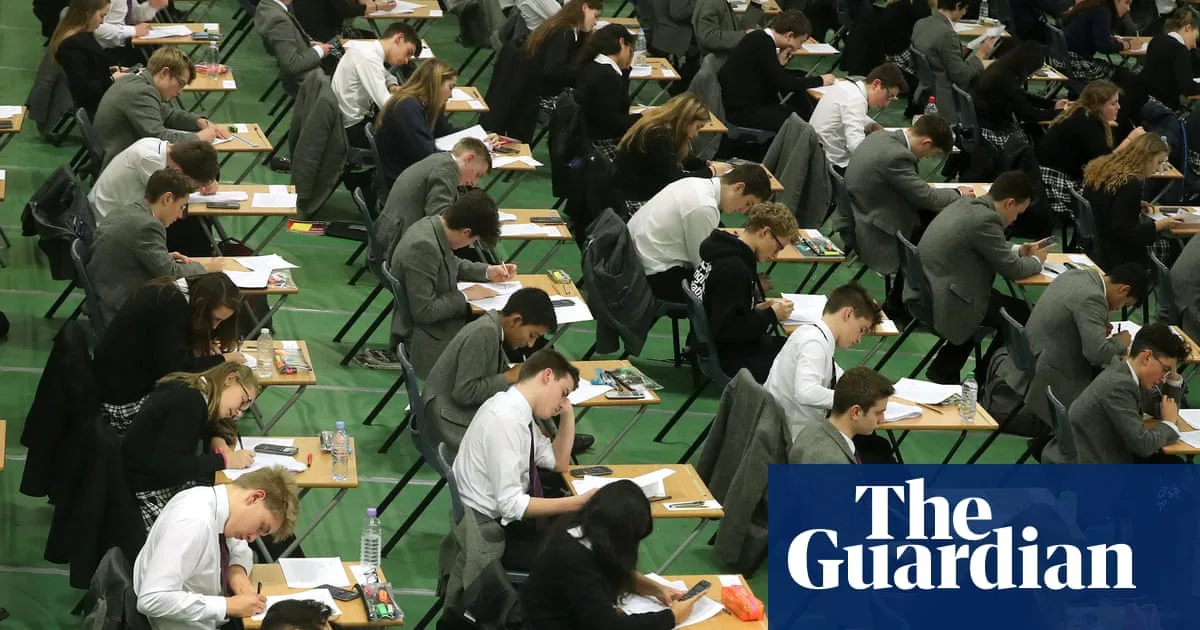
Ofqual has withdrawn its official statistics on students receiving extra time and other adjustments in A-level and GCSE exams, acknowledging that the published figures significantly overstated the numbers. The regulator said the data, which dates back to 2014, contained errors and double-counting, but stressed that there was no evidence of misuse or systemic failure.
In its most recent figures, Ofqual reported that approximately 30% of students sitting A-level, AS-level and GCSE exams were granted access arrangements, with 25% extra time being the most common adjustment. The regulator now believes the true rate is likely to be far lower, with initial analysis suggesting it aligns closely with the proportion of students with special educational needs.
The inaccurate data had fuelled concerns about growing demand for exam assistance, particularly in independent schools, where nearly 42% of students were said to have received adjustments. Ofqual has indicated that this figure could be more than halved when revised statistics are published later this year.
Julie Robinson, chief executive of the Independent Schools Council, called on Ofqual to apologise, saying independent schools had seen their results undermined and their integrity questioned as a result of the significant errors. She said Ofqual was supposed to be the trusted source for exam statistics.
Tom Bramley, Ofqual’s executive director of research, said the issue was limited to the access arrangements dataset and that other statistics were unaffected. He added that the problems were technical, arising from how data was recorded and reported, and that students who received support did so appropriately.
Ofqual will work with the Office for Statistics Regulation and examination boards to improve data quality. A Department for Education spokesperson welcomed the commitment to improving transparency and said the department would continue to work closely with Ofqual to ensure high standards across the system.