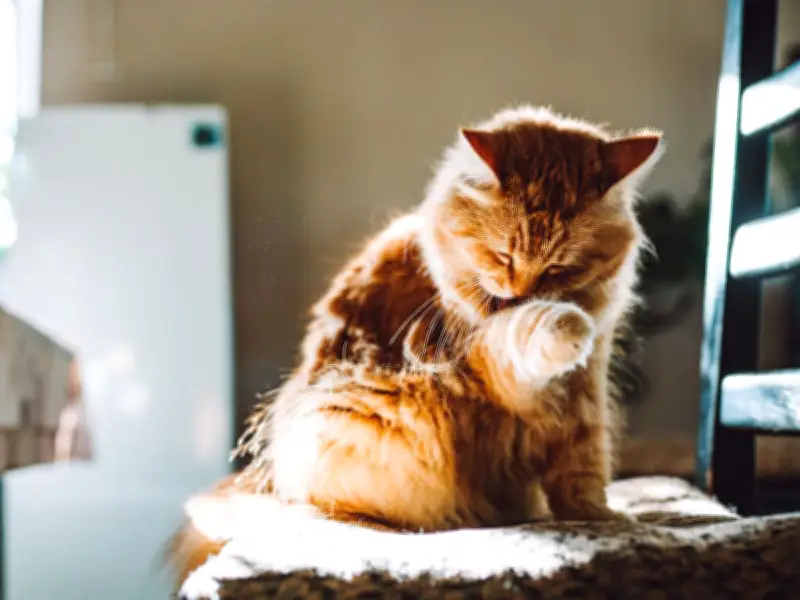
Cats are known for their quirky blend of aloofness and affection. When your feline friend immediately starts licking itself after you pet them, it can feel like a personal rejection. However, experts say you shouldn't be disheartened—there's a deeper, instinctual reason behind this behavior.
The Instinct Behind Post-Pet Grooming
According to Christina Scamporrino, a pet care specialist featured on Pretty Litter, cats have meticulous grooming habits. While it's easy to assume you've done something wrong when they lick themselves after a petting session, this action is not about you. It's rooted in their natural instincts.
Removing Human Scent
Cats rely heavily on their sense of smell to communicate and navigate their world. They have scent glands located around their bodies, and your touch transfers your scent onto their fur. To restore their own familiar and comforting scent, they groom themselves, effectively removing yours. This helps them feel secure and oriented in their environment.

Self-Soothing and Comfort
Licking serves as a self-soothing mechanism for cats. After the stimulation of being petted, grooming helps them calm down and return to a baseline state. Christina compares it to how humans might take deep breaths or engage in relaxing activities to unwind. Cats may also lick you as a form of affection, but when they groom themselves, it's about finding relaxation and comfort.
Reinforcing Social Bonds
In the feline world, grooming is a social activity. When cats groom each other, it strengthens their bonds. By licking themselves after you pet them, they are mimicking the social grooming behaviors they would exhibit with other cats. Your petting is interpreted as a social interaction, and their grooming afterward reinforces that bond.
When Grooming Becomes a Concern
While occasional grooming is normal, excessive licking can signal stress, anxiety, or underlying health issues. If your cat licks itself to the point of causing bald spots, skin irritation, or hair loss, it's important to consult your veterinarian. This behavior may indicate a need for medical or behavioral intervention.