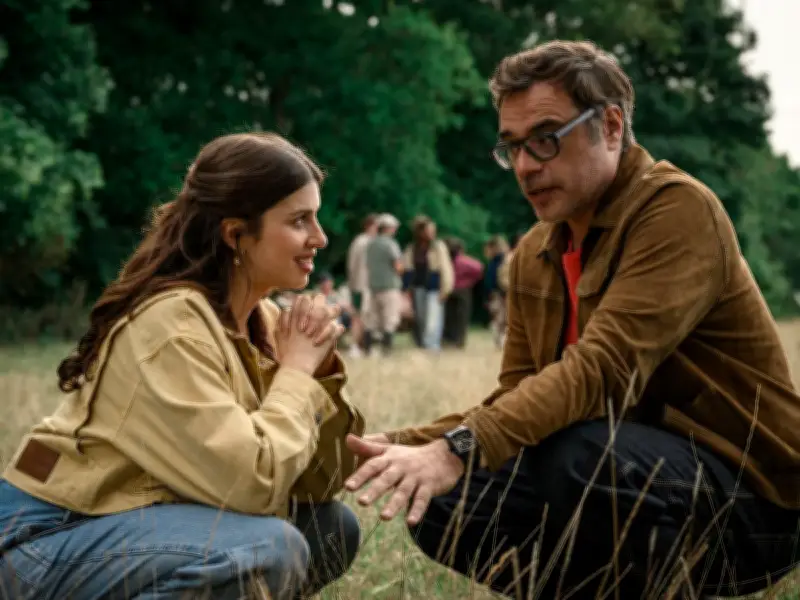
A new poll of 2,000 British adults reveals that 71% have no issue with age-gap relationships, provided both partners share similar maturity levels and common life goals. The research, commissioned by Disney+ to promote the upcoming comedy series Alice and Steve, also found that more than half of respondents consider a 10- to 20-year age difference acceptable.
Dating Preferences by Gender
According to the survey, one in five adults would rather date someone older, including 32% of women and 8% of men. Conversely, men were more likely to prefer a younger partner (33%) than someone the same age (21%). Those who favor older partners cited emotional maturity, stability, and confidence as key attractions, while those leaning toward younger partners valued looks, energy, and spontaneity.
Evolving Attitudes
Nearly half (47%) of respondents believe society is becoming more accepting of age-gap relationships, and a quarter said they have personally grown more open to them with age. Television and film have positively influenced perceptions for 28% of adults, with a stark generational divide: 46% of Gen Z respondents agreed, compared to just 10% of Boomers, according to OnePoll.com.
Remaining Concerns
Despite broad acceptance, some worries persist. The top concerns were differing lifestyles and potential power imbalances. About 9% said they would be put off if the person had a connection to a friend or family member. However, 14% felt more positive if a close acquaintance already knew the partner, and 33% said that would make them more open-minded.
Expert Commentary
Lee Mason, vice president of Scripted for Disney+ EMEA and commissioner of Alice and Steve, noted: "Our research highlights just how complex relationships are, and how easy it is to rely on assumptions until we're faced with real situations. While people may have concerns about age-gap relationships or pass judgement, it's fascinating to see how many would consider being in one and how people are ultimately focused on shared values, life goals and emotional compatibility." He added that attitudes continue to evolve as people gain life experience.