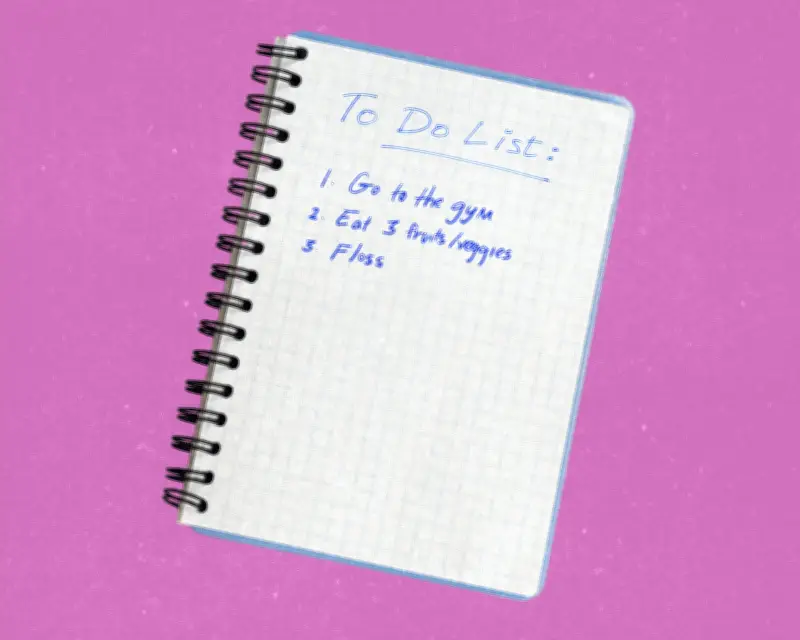
Adult sticker charts are rising in popularity as a motivational tool for everyday tasks, from gym workouts to avoiding exes. Bek Gray, a 33-year-old healthcare professional in Birmingham, England, uses a chart on her kitchen cupboard. Her children, aged four and ten, join in the excitement when she earns a gold star for going to the gym.
Gray had a gastric sleeve in September 2024 and bought her first sticker chart shortly after. Since then, she has lost 142lb while gaining muscle. 'It sounds really silly, but I don't think I would have pushed myself as much without the stickers,' she says. The chart shifted her mindset from dreading the gym to aiming for three stars each week.
The Science Behind Sticker Charts
Kou Murayama, principal investigator at the Motivation Science Lab at the University of Tübingen in Germany, explains that humans and animals work for rewards. 'Hitting a goal itself serves as a reward for humans, even if it does not give tangible rewards like food or money,' he says. Thomas Webb, a psychology professor at the University of Sheffield, adds that sticker charts help complete long-term goals, like eating fruits and vegetables, by breaking them into daily achievements.
According to goal-setting theory by Edwin Locke and Gary Latham, specific, proximal, and challenging goals are especially motivating. Sticker charts meet the first two criteria and often the third, says Murayama.
Business Success
Lucy Mountain, 34, founded Silly Little Star Charts in 2024. Based in London, the brand offers charts for chores, workouts, sobriety, and staying away from exes. Originally a side project, it became Mountain's main income source last summer. 'It's been amazing to see how many people respond well to it,' she says. Despite critics calling the charts infantilizing, users like Gray report life-changing results.
One reviewer wrote: 'Something about getting to stick a silly gold star on the sheet keeps me accountable.' Another claimed: 'This chart is the only reason I got up to go to the gym today.'
Potential Pitfalls
While sticker charts can be effective, they may backfire. The 'what the hell effect' occurs when a slip-up leads to giving up entirely. Mountain suggests using silver stars for skip days to maintain momentum. 'It's not about perfection, just consistency,' she says.
Murayama warns that over time, charts can feel controlling. 'Humans have a fundamental need to be autonomous. Once you interpret the charts as controlling, it will backfire,' he says. Nikos Ntoumanis, a professor at the University of Southern Denmark, advises phasing out rewards gradually to avoid dependency.
Why Stickers Over Apps?
Despite countless free habit-tracking apps, adult sticker charts are trending. Google searches hit a five-year high in February 2025. Mountain's charts come with magnets for fridge display, providing constant reminders without phone notifications. 'We are generally so fatigued by being on our phones,' she says.
Gray remains undeterred by critics. 'We all get caught up in wanting to be grownups. There is no harm in going back to childhood ways to little extents like this,' she says. Murayama concludes that while sticker charts can help, finding intrinsic enjoyment is key for long-term motivation. 'There is no panacea for motivation,' he adds.