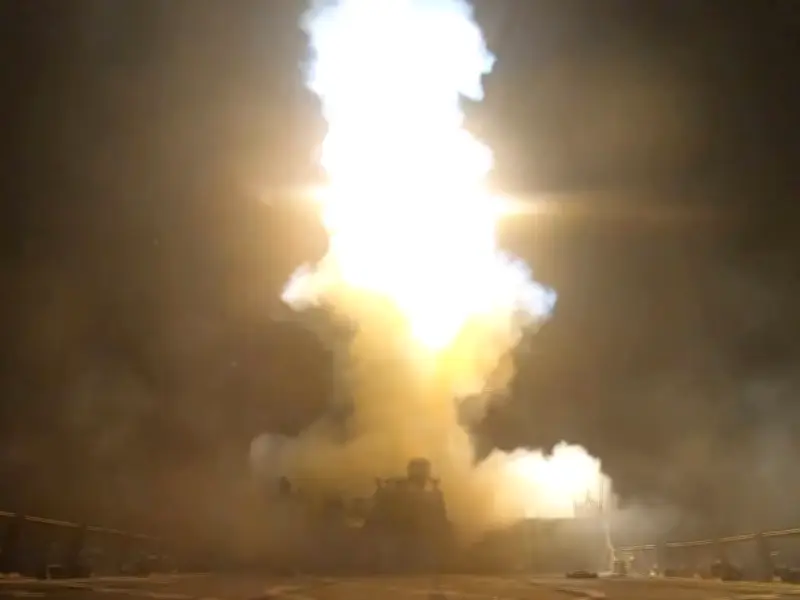
The United States Central Command (CENTCOM) launched a fresh wave of strikes against Iran on Sunday, July 12, 2026, marking the third round of attacks that week. The operation aims to degrade Iran's capability to target civilian mariners and commercial vessels transiting the strategic Strait of Hormuz, a critical chokepoint for global oil shipments.
Strikes Ordered to Hold Iran Accountable
In a statement posted on X, CENTCOM announced: "At 5 p.m. ET today, U.S. Central Command forces began launching more strikes against Iran to continue degrading their ability to attack civilian mariners and commercial ships freely transiting the Strait of Hormuz. The Commander in Chief has directed the strikes to hold Iranian forces accountable."
The strikes follow an attack on a container ship in the strait, which forced the crew to abandon the vessel as it caught fire. Iran also carried out retaliatory strikes on targets in Bahrain, Kuwait, Qatar, the United Arab Emirates, and Oman, escalating tensions across the region.
Extensive Damage to Iranian Military Infrastructure
According to a separate CENTCOM statement, the U.S. hit approximately 140 targets in Iran, including missile and drone launch sites, ammunition depots, and communication equipment. These strikes are part of a broader campaign that began on February 28, 2026, when joint U.S.-Israeli strikes targeted several key Iranian sites. Iran responded by closing the Strait of Hormuz, through which 20% of the world's traded oil passes.
The latest attacks further diminish hopes for a peace deal. A ceasefire agreement collapsed last week after President Donald Trump canceled the deal following Iranian missile attacks on three gas and oil vessels in the strait earlier in the week.
Impact on Global Trade and Regional Stability
The ongoing conflict has severely disrupted global oil markets, with the Strait of Hormuz being a vital artery for energy supplies. The closure and subsequent attacks have raised concerns about supply shortages and price volatility. The U.S. and Iran remain locked in a cycle of retaliation, with each round of strikes reducing the likelihood of a diplomatic resolution.