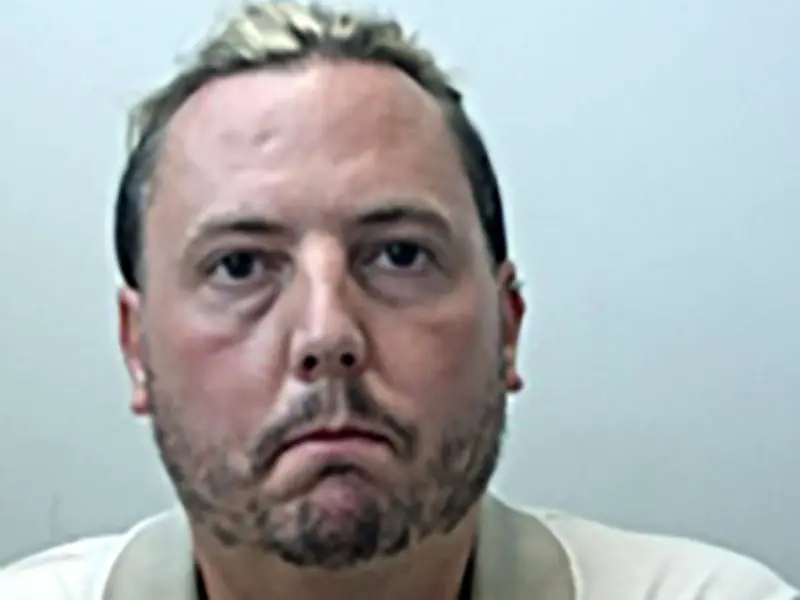
A prison nurse working in a category A prison has stated that Jamie Varley, the man convicted of murdering his adoptive son 13-month-old Preston Davey, should be 'absolutely terrified' behind bars. Speaking anonymously on the Break The Ice channel, the nurse suggested that if she were in Varley's position, she would find it difficult to eat or even leave her cell. However, she acknowledged that Varley might be using a hunger strike and suicidal claims to garner sympathy and attention from staff.
Varley's Sentence and Transfer to HMP Wakefield
Varley, 37, was sentenced to a whole life order for the murder and abuse of Preston, who was found with 40 internal and external injuries. Varley had adopted the child just four months before his death and initially claimed the baby drowned in the bath. After sentencing, Varley was moved to HMP Wakefield in West Yorkshire, often referred to as 'Monster Mansion' due to its high-profile inmates. Reports indicate he has adopted the alias Harry Robb and has refused to eat or leave his cell.
Prison Nurse's Insights on Varley's Behavior
The nurse, who has dealt with up to 60 cases of prisoners refusing to eat, explained that Varley's refusal to eat is likely a combination of genuine fear and a desire for sympathy. She stated, 'I think it's a combination that he is afraid and probably with good reason as well. There are other prisoners who are serving whole life orders and they don't have anything to lose. Do they care? Do they want respect? For whatever reasons, they want to harm him, they have nothing to lose at this point. So, if I was him, I would be absolutely terrified. I don't think I would leave the cell. I don't think I would eat either. I'd be a wreck.'
She further elaborated that Varley might be seeking attention through his hunger strike: 'I do think partly from experience that he wants people to feel sorry for him. Maybe he wants the nurse checking in on him. If he knows there's officers coming in every 15 minutes because he is on an ACCT (Assessment Care, Custody, Teamwork) it gives less time for other people to be after him. The nurses will have to be nice and respectful. The officers will be nice and respectful.'
Professional Conduct and Risks of 'Prison Justice'
The nurse emphasized that despite the repulsive nature of Varley's crimes, medical staff are bound to treat him with the same respect and dignity as any other patient. She noted that unprofessional behavior or openly criticizing an inmate would result in losing one's nursing license. Additionally, she dismissed the idea that staff would intentionally leave a cell door unlocked to allow 'prison justice' to occur, as a death in custody would lead to a coroner's inquest and intense scrutiny.
When asked if Varley could be sectioned for refusing food, the nurse said it was unlikely, as ceasing to eat is not an immediate danger that would necessitate such measures. She stated, 'If he's talking like I'm talking to you now, as long as he understands the risks of not eating and understands the risks of being suicidal, we're allowed to feel that way as people. He's not stupid. He's smart. He's got a degree. He was a teacher. He was a safeguarding leader. He knows what he's doing.'
Outlook for Varley's Incarceration
The nurse expressed her belief that Varley will eventually resume normal eating habits, as she has seen in all previous cases of prisoners refusing to eat. She noted that unless Varley convincingly demonstrates he is coping well, he will likely be closely monitored by staff for a considerable time. Varley's partner, John McGowan-Fazakerley, received a 25-year sentence for his role in the abuse.