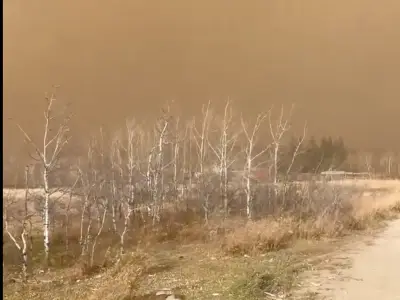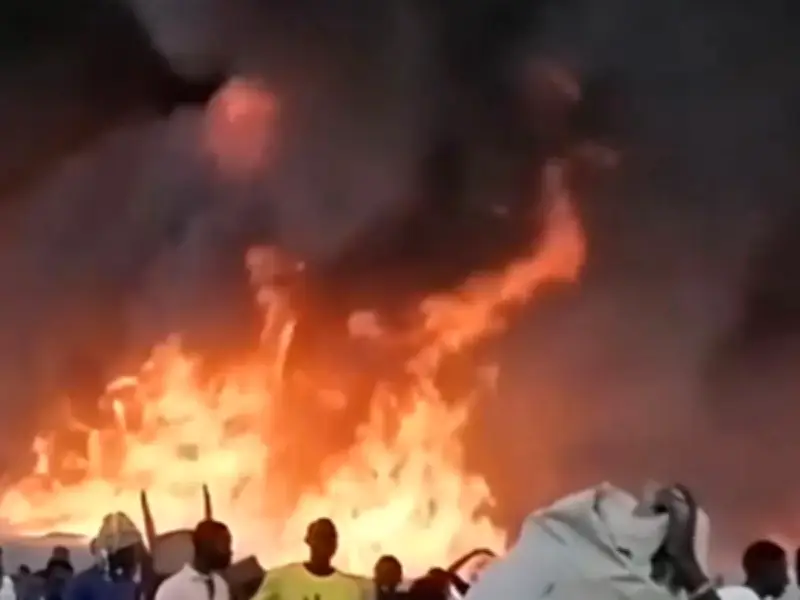
An estimated 153 people have been killed in an attack on a market in Abyei, a border region disputed by Sudan and South Sudan, with the United Nations confirming that women and children were among the dead.
The strike hit a nearby fuel depot, igniting a fire that was still burning on Tuesday, a local official said. The attack occurred at Amiet Market, north of Abyei town.
Officials blame Sudanese military
Yohanna Akol Ngor, the Abyei administration’s caretaker information minister, blamed Sudan’s military for Monday’s attack. Ngor said by phone that the death toll was continuing to rise as the fire burned.
A senior Sudanese military officer said the army carried out a drone strike on Monday targeting fuel tankers arriving from South Sudan. He added that the fuel was set to be used by the paramilitary group the Rapid Support Forces. The officer spoke on the condition of anonymity due to not being authorised to speak publicly.
UN condemns attacks
The officer said those killed were RSF members and people involved in fuel smuggling. He added: “We do not target civilians.” The Associated Press said it could not independently verify his account of the targets or the identities of those killed. The officer said the strike took place outside the demilitarized zone along the border with South Sudan.
In a statement on Tuesday, the UN secretary-general condemned drone attacks near Amiet Market and Todach. The UN stated that dozens of civilians, including women and children, had been killed and many others injured. The statement did not identify who carried out the attacks. The UN added that many people remained missing and the death toll is expected to rise.
Humanitarian concerns and background
Doctors Without Borders has called on all parties to stop attacks on civilians and civilian infrastructure, expressing concern about people’s ability to safely reach healthcare and other essential services.
Amiet Market is a trading hub serving the Ngok Dinka and Misseriya communities. The oil-rich Abyei region’s status was left unresolved by a 2005 peace agreement that ended decades of civil war. The region’s status has remained unsettled since South Sudan became independent in 2011.
A proposed referendum stalled over disagreements about who could vote. The region’s majority Ngok Dinka population favours joining South Sudan, while Misseriya nomads who use its pastures favour Sudan. Abyei has also experienced deadly communal violence, including fighting over land between Ngok Dinka and neighbouring Twic Dinka communities.