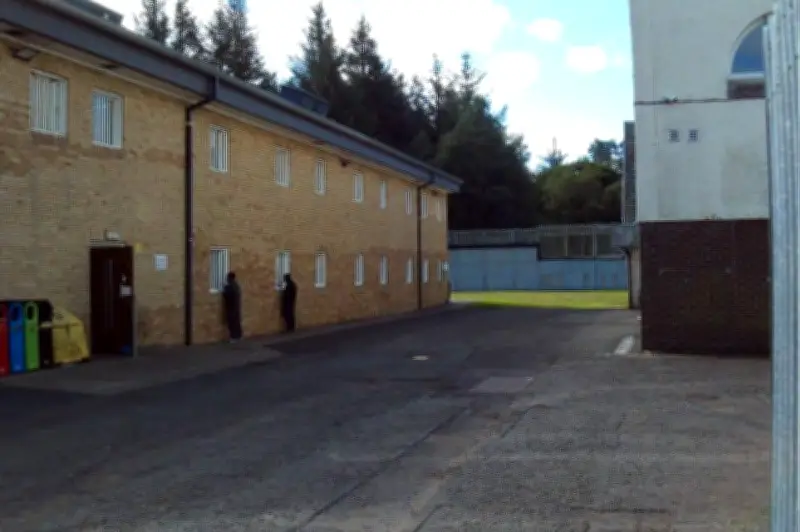
A report by the Chief Inspector of Prisons has revealed that male detainees at Dungavel immigration removal centre in South Lanarkshire, Scotland, were caught looking through the windows of women's bedrooms. The inspection found that female migrants could not move around without a staff escort, while men had free movement, putting women at risk of harm.
Key Findings of the Report
Charlie Taylor's report stated that 43% of women at Dungavel felt unsafe in outside areas. As of December 2025, 119 women were held in immigration removal centres and residential short-term holding facilities across the UK, according to Home Office figures.
Inspectors witnessed male detainees peering into women's bedroom windows and a group of men asking why they could not “mix with female detainees.” The centre also held a man assessed as posing a risk of harm to women at the time of inspection, and another with impending prosecutions for sexual offences had been held there for over a year until shortly before.
Women's Testimonies
“Some women said they never left the female unit unless absolutely necessary, while others were reluctant even when escorted,” Mr Taylor's report said. One woman told inspectors: “We can(not) go outside because of the males and our time to do things are quick because of them.”
Concerns about Dungavel were first raised in 2021 when Mr Taylor warned that female detainees were forced to mix with men with a history of sexual violence due to Covid restrictions.
Wider Issues in Immigration Detention
Elsewhere in his report on women's experience of immigration detention, Mr Taylor criticised staff for moving women across the country late at night. Pregnant women, those physically unwell, or at risk of self-harm or suicide were transferred with “little regard for their health or the appropriateness of the transfer,” the report said. “These journeys could be disruptive and exhausting and could further exacerbate existing health conditions. One woman described the process of being transferred as psychological torture.”
Inspectors also found “concerning practices” around the use of handcuffs, including the handcuffing of a pregnant woman.
Response from the Chief Inspector
Mr Taylor said: “Far fewer women than men are held in immigration detention in the UK, and, as a result, their experiences are still largely shaped by policies designed for men. This report outlines where current processes fall short for women, but also what is working well. In the facilities we visited for this review, we found compassionate and committed staff working hard to support a complex population. We hope our findings will help the Home Office and its contractors continue to improve the support for these very vulnerable detainees.”