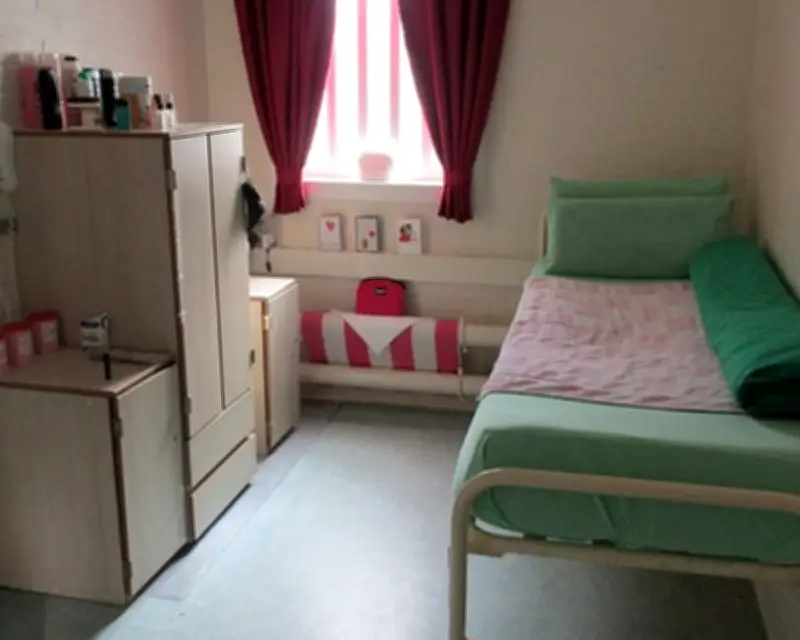
Charlie Taylor, the outgoing head of the prisons watchdog, has published his final annual report, highlighting both good practice and profound failure across prisons in England and Wales. The report, released on Tuesday, praises efforts such as improved staff-prisoner relationships at HMP Low Newton in County Durham and a strengthened focus on reading in some jails. However, the overall assessment is one of deep crisis.
Inspections Reveal Widespread Failings
The inspectorate judges prisons on safety, respect, preparation for release, and purposeful activity. Only two out of 35 men's prisons were rated as offering good work and education. Budget cuts have reduced classes and attendance, with 34% of male prisoners reporting being locked in their cells for over 22 hours a day. Even the BBC drama Waiting for the Out is seen as rose-tinted compared to reality.
Drugs and Violence at Alarming Levels
Mr Taylor again raises the alarm about drugs, describing systematic dealing by organised crime gangs operating with impunity inside prisons. In a survey, 41% of male prisoners said drugs were easy to obtain, and 47% of women reported a drug or alcohol problem. The scale of law enforcement required inside prisons is unprecedented.
Government Response and Autonomy Issues
Former home secretary Amber Rudd has been commissioned by the Ministry of Justice to review security, while David Gauke reviews sentencing policy. Mr Taylor criticises Whitehall for holding back effective governors with 'ludicrous rules' and 'irksome demands'. He suggests that Andy Burnham could seek greater autonomy for prisons as part of regional empowerment.
Self-Harm and Violence in Prisons
Self-harm in women's prisons remains at a 'staggeringly' high level, while the illicit economy in men's prisons fuels violence. Preparing for early releases in the autumn is a challenge, as 20-30% of prisoners reaching the end of their term have no home. Victims also suffer from poor information about releases.
Mr Taylor concludes that the public deserves more for the £59,000 per year per prisoner cost. The existence of pockets of progress shows improvement is possible.