Around 400,000 people took part in nearly 800 protests across France on Saturday, with police firing tear gas and deploying water cannons as demonstrations descended into violence. The unrest follows a weekend of riots that resulted in 2,700 arrests and, as of Thursday, 217 convictions in fast-track trials.
Protests turn violent despite heavy police presence
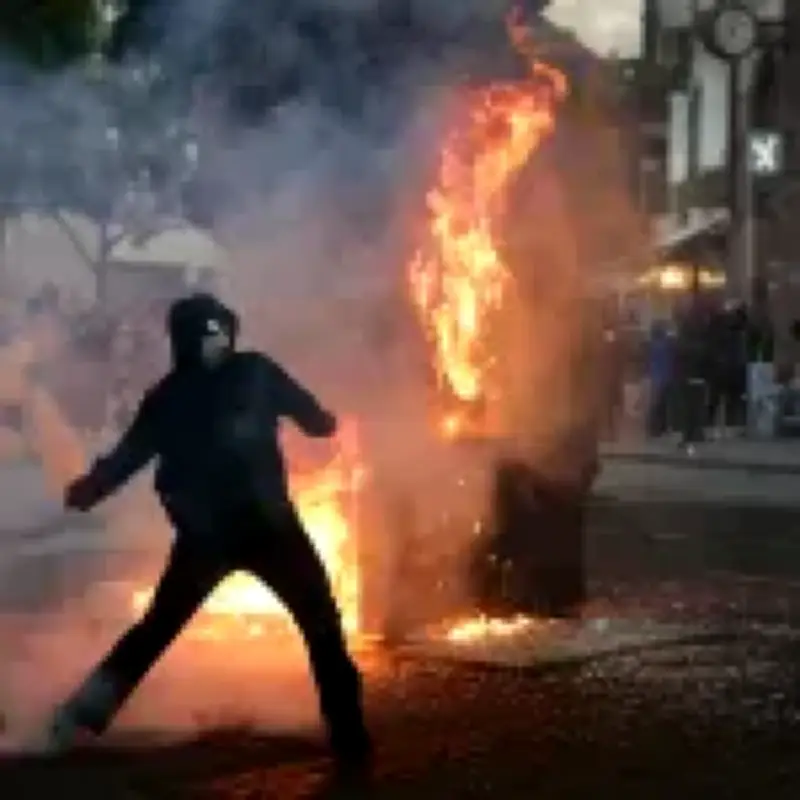
Some 70,000 officers were deployed nationwide, equipped with tear gas and water cannons, as crowds clashed with riot gear-clad police. In Paris, 110,000 people marched, with individuals wearing hoods and face coverings launching grenades, prompting officers to respond with tear gas and later water hoses to disperse the crowds.
Chaotic scenes unfolded even in protest-banned zones, such as the Place de la Bourse in Bordeaux, despite a city-wide shutdown and public transport cancellations. Police also ordered the dispersal of several hundred people in Nice after they gathered at Place Masséna, where demonstrations were prohibited.
Government imposes curfews and boosts security
Interior Minister Laurent Nuñez said: 'We will not let anything go unchallenged. We will be uncompromising with the vandals, with the looters, and all those who commit acts of violence.' Authorities were anticipating separate instances of violence, with Nuñez noting calls for violence from the 'far left and radical extreme left' on social media.
Interior Ministry official Jean-Didier Berger said there would be a 20% increase in police deployments compared to last weekend, with forces backed by helicopters. Curfews were implemented and extended until Monday in parts of Paris, while partial curfews through the week restricted movement of young people in cities such as Marseille, Bordeaux, Nice, and Lyon.
Museums closed and landmarks guarded
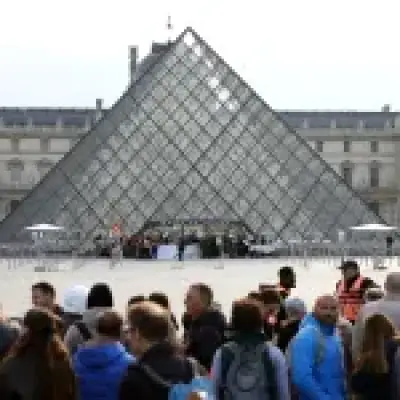
The Louvre, Orsay, and Picasso museums have been closed, and landmarks like the Arc de Triomphe have been guarded amid concerns raised by some officers, who told French media they are not trained to deal with such large crowds. At least 135 people have been arrested today, with many detained found carrying fireworks, ball bearings, and various items to be used as weapons.
The protests initially began as student-led demonstrations demanding better public school building conditions and action against teacher shortages, budget constraints, and overcrowding in classrooms, with staff, parents, lawyers, and emergency service workers joining in solidarity. Further unrest stemmed from anger towards rising living costs and fuel prices, with reports that over half a million citizens had gathered in defiance of President Emmanuel Macron's government.
Last weekend's riots led to buildings being vandalised, town halls being taken over, and 500 businesses being damaged. The likelihood of returning rioters forced the interior ministry to heighten security measures and impose restrictions, following criticism from opposing parties that the government failed to prepare for the scale of the disorder. Trade unions have criticised the protest bans, arguing that they violate freedoms of expression.
The crisis comes as centrist Macron enters the final stretch of his presidency. His second term, which began on May 14, 2022, is scheduled to end on May 13, 2027.