An unnamed cartel hitman has claimed he personally burned the bodies of 250 murder victims at Rancho Izaguirre in Jalisco, Mexico. Speaking anonymously to Italian news outlet TG1, the self-described 'sicario' said that "more than 500 people were executed" at the site, which experts have described as a "concentration camp" used by the Jalisco New Generation gang (CJNG).
Hitman's Claims of Mass Executions
The alleged hitman warned that more bodies will be discovered if people keep looking, although many victims were so badly burnt that identifying them could be impossible, while others will simply "never be found".
He claimed: "More than 500 people were executed. I personally burned 250 people. There are always teeth left and bits of bone." The cartel member stated that at its worst, the ranch saw the cartel execute as many as "20 people in one night".
Payment and Willingness to Kill Again
The self-described hitman said he worked under the orders of the CJNG and was paid 4000 pesos or £160 per kill, adding that "a life isn't worth much" to his employers. He claimed he could kill again "tomorrow" if asked, saying he owns a "rifle with a telescopic sight" and that "everything is ready".
He said: "A hitman who works for the cartel always earns the same salary. I can kill up to five people in a day and my pay remains the same. Four thousand pesos."
Helping Families and Ranch Discovery
Despite his claims, he said he is trying to make amends by helping activists and family members search for their missing loved ones, but is forced to do so in secret to avoid the cartel's wrath.
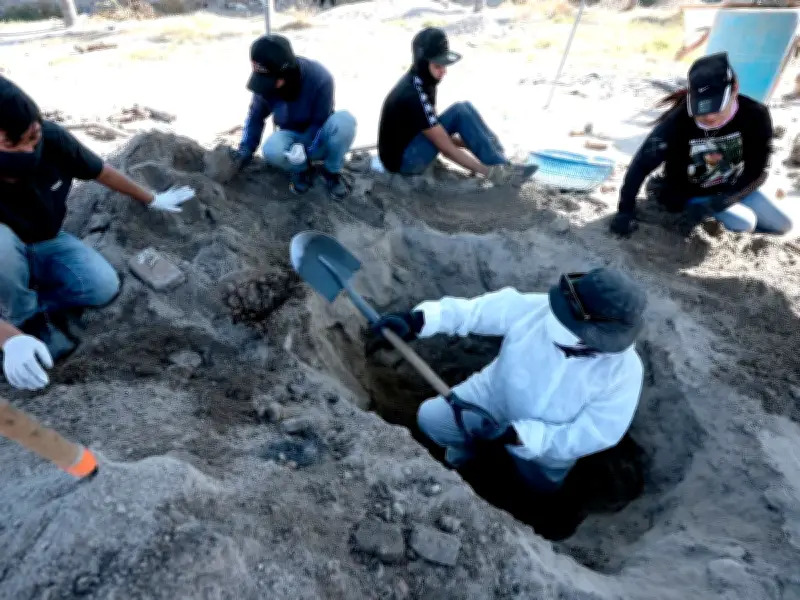
Rancho Izaguirre first made headlines in 2025 after an anonymous tip led investigators to find hundreds of discarded shoes, clothing items and children's toys inside the ranch. Bone fragments and three crematoriums were also discovered, leading activists to claim the site had been used to kill hundreds of cartel victims.
Mexican officials have only confirmed the ranch was used as a 'training' facility, and have not confirmed any deaths at the site. Activists allege many of those taken to the ranch were brought there against their will or tricked using bogus contracts and promises.