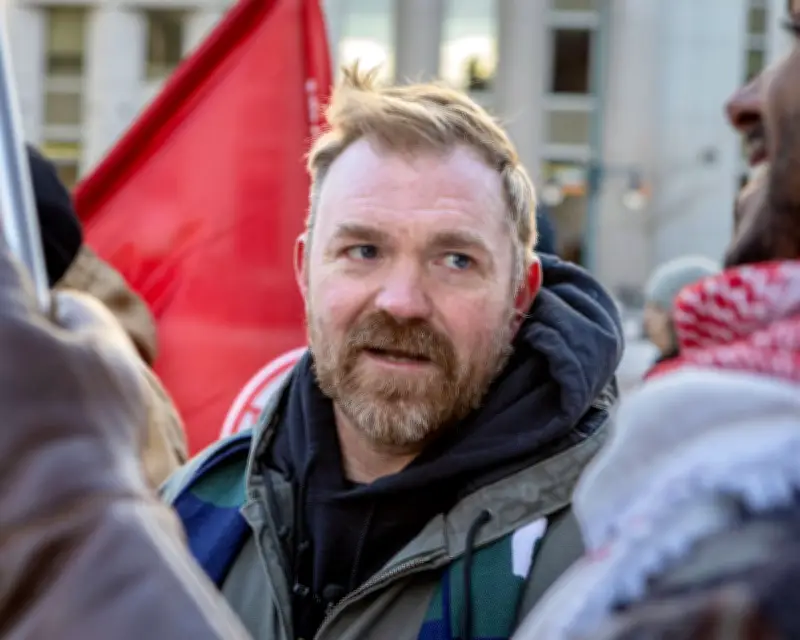
The media's coverage of Graham Platner, a Democratic Senate candidate in Maine, has drawn scrutiny for its timing and approach, but ultimately succeeded in uncovering the truth, leading to his campaign's collapse. The New York Times published an article in early June detailing Platner's treatment of women he dated, but the story's main source, Lyndsey Fifield, expressed disappointment, calling it a "gift to the Platner campaign." The Times described his behavior as "unsettling," a term that seemed mild given Fifield's allegations that Platner grabbed her shoulders hard enough to leave marks, yanked her out of a cab, twisted her arm behind her back, shoved her into a bedroom, and held the door closed. She also said Platner referred to women as "hatchet wounds." Platner denied all allegations, and the Times noted it could not independently corroborate Fifield's account.
Initial Coverage and Political Fallout
Despite the article, Platner won the Democratic primary with support from progressive figures like Bernie Sanders and Ro Khanna. However, the story spooked some supporters, while others dismissed Fifield's account as a smear campaign, noting her work for conservative groups. The Times described her as "a Virginia conservative who has worked for right-leaning groups and Republican campaigns."
Subsequent Bombshell Reports
In July, Politico published a story in which another woman, Jenny Racicot, alleged that Platner came to her home drunk and forced her to have sex. "I remember him grabbing my pelvis and being really forceful of me," she said. "I remember the specific moment where I thought to myself, like, 'This is no longer my choice.'" Platner denied the allegation. CNN's Jake Tapper interviewed Racicot on air, amplifying the story. The Washington Post then reported Fifield's charges that Platner repeatedly removed condoms during sex without her consent, which he also denied.
Campaign Collapse and Media Assessment
These allegations proved too much for Platner's supporters, and he ended his campaign within days. Amid the fallout, questions arose about whether journalism did its job. Betsy Morais of Columbia Journalism Review noted, "All of this is profoundly troubling, wish-we-knew-it-sooner stuff, and a reminder of the patient work that Me Too reporting requires. Reporting on sexual violence is an extraordinarily difficult, sensitive task, and there are often serious questions of timing and approach." Times representatives defended their approach, saying they published what they could verify in a timely manner.
Lessons for Journalism
Margaret Sullivan, a Guardian US columnist, wrote that while the media's timing and execution were imperfect, reporters ultimately succeeded in ferreting out the truth. "As a result of their work, Maine's voters (and the nation) know how deeply unsuitable Platner is. And he's out," she said. She added that journalism is the "first rough draft of history," and in this case, the ink is still wet, and the history is still being written.