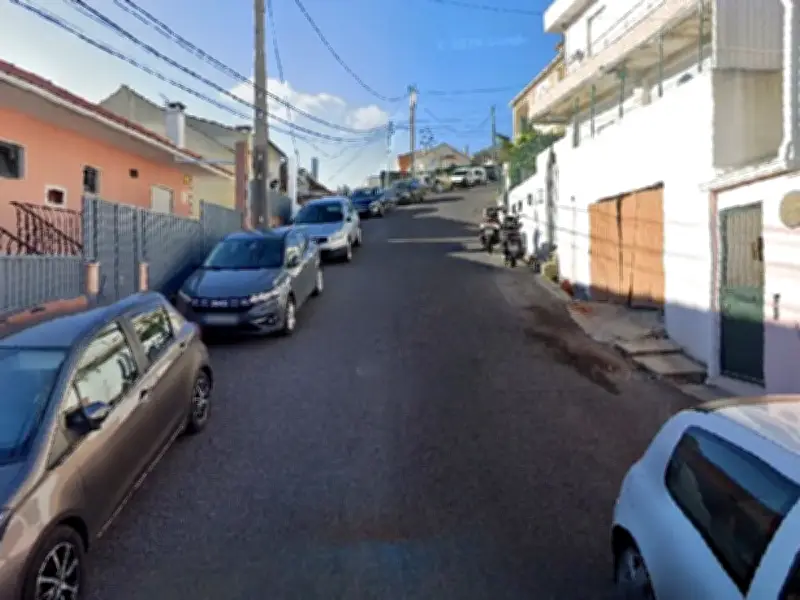
A 49-year-old woman has died following a car crash in Odivelas, Lisbon, Portugal, in the early hours of October 14. The incident occurred in the village of Ponte da Bica, with the first alert raised just after three o’clock in the morning.
Crash details and emergency response
Authorities arriving at the scene found an overturned vehicle with the victim inside. Reports indicate she was found unconscious and naked, and it is suspected she was not wearing a seatbelt and was not in the passenger seat. Emergency responders attempted to resuscitate the woman but were unsuccessful.
Witnesses reported seeing a man exit the vehicle with minor injuries, adjusting his clothes, before leaving the scene. The man, in whose name the car was registered, later turned himself in but has not been named by the Public Security Police (PSP).
Alleged circumstances and legal assessment
It has been alleged that the female victim had told her partner she was heading out to purchase tobacco. When she did not return, he reported her absence to the police, who subsequently found the crashed car.
Lawyer Dantas Rodrigues, speaking to Pais ao Minuto, outlined potential charges. He said: “First and foremost, the crime of dangerous driving (Article 291 of the Penal Code) may be at issue.” He noted that this article defines dangerous driving as a “crime of concrete danger,” requiring an actual risk to life or physical integrity, and applies under subsection (b) regarding gross violations of traffic regulations.
Rodrigues suggested that driving whilst having sex would be, if confirmed, a “gross violation of the duties of care and attention that driving requires.” He added: “The fact that the passenger was naked, not wearing a seatbelt, and apparently not even seated, reinforces the existence of a concrete danger created by the driver's conduct.”
Potential penalties and next steps
Rodrigues assessed that the driver could face a charge of involuntary manslaughter if the violation of duty of care resulted in the victim’s death, which could lead to up to three years in prison or a ban. He also noted the driver could face trouble for failing to assist following the accident, given he allegedly left the scene without helping his passenger.
He concluded: “The definitive legal classification will depend on the investigation of the facts, notably the autopsy, the forensic examination of the vehicle, and the driver's statements. The applicable penalties, when aggregated, could be significant, especially considering that fleeing the scene serves as an aggravating factor that increases the culpability of the conduct.”