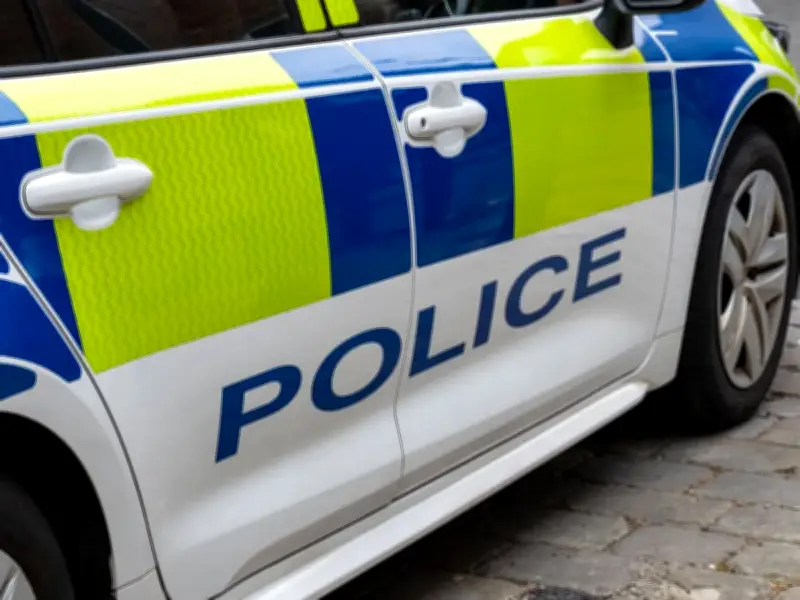
Driving at night can make it harder to spot sheep and smaller animals on the road until it is too late, leaving motorists unsure how to respond. Police forces across the UK have shared guidance on the correct steps to take after a collision with an animal.
Which animals must be reported
On Ask The Police, a website run by police forces across the UK, the question was asked: "I have hit an animal whilst driving, do I have to report it to the police?"
The answer reads: "Some animals are not included in the definition of 'animal' given in the legislation, so you are not required to report accidents with them to the police."
"A dog (as well as a goat, horse, cattle, ass, mule, sheep and pig) are animals covered within the remit of the legislation; therefore, you are required by law to report any accident with these animals to the police."
However, if the animal hit is not listed, it may still be worth contacting the police to inform them of the incident. Additionally, the local authority will need to be contacted to remove the remains of the animal.
Special protection for badgers
The police remind motorists that "badgers are specially protected" and it is an "offence to possess one, dead or alive, (without the proper authority), so if you kill one, leave it at the roadside. If you are concerned, you can voluntarily contact the police."
The British Transport Police (BTP) reassure motorists: "It is not a crime if you hit an animal by accident with your vehicle. It could be a crime if you don't report hitting certain animals, or if you leave the animal to suffer. It is also a crime if you hit an animal with your vehicle on purpose."
When to call 999 or 101
Drivers should call 999 if anyone is injured, or if the crash has caused a blockage or any dangerous obstruction on the road.
If a driver hits one of the following animals, nobody is hurt, and there are no blockages or obstructions in the road, you need to call 101:
- mule
- horse
- pig
- cow
- sheep
- goat
- deer
- donkey
- dog
If you have a hearing or speech impairment, use the BTP's textphone service on 18001 101. It adds: "You shouldn't try to remove the animal yourself. Some wild animals are protected. That means it's an offence to have one in your possession, dead or alive."
"Injured animals can act unpredictably. Don't approach one if you think it's unsafe to do so."
Who to call for injured animals
If you are in England or Wales, you can report injured pets or wildlife to the RSPCA. In Scotland or Northern Ireland, contact the relevant local equivalent organisation.
RSPCA: report a concern online or call 0300 1234 999, Monday to Sunday, 8am to 8pm.
Scottish Society for the Prevention of Cruelty to Animals (SSPCA): report a concern online or call 03000 999 999, Monday to Sunday, 9am to 5pm.
Ulster Society for the Prevention of Cruelty to Animals (USPCA): email wildlife@uspca.co.uk or call 028 3025 1000, Monday to Sunday, 9am to 6pm.