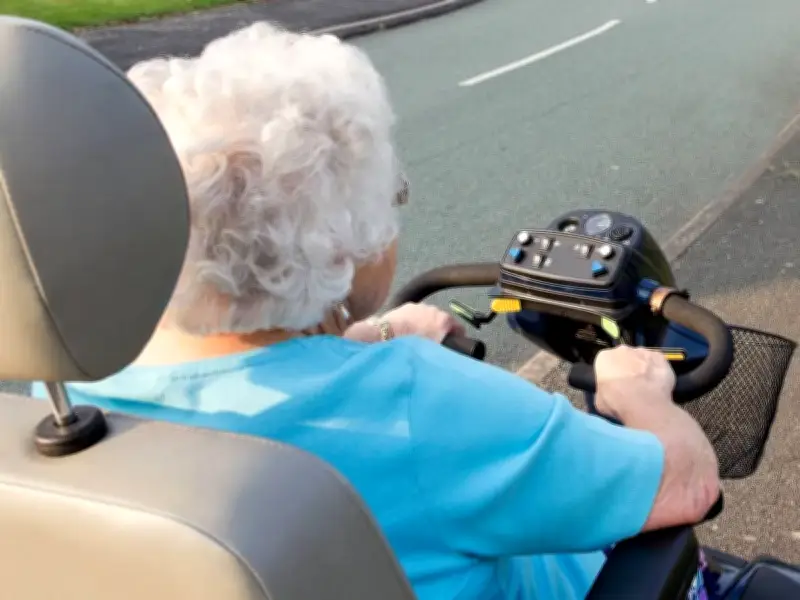
Mobility scooter users in the UK could face a £160 penalty for riding in painted cycle lanes, a rule that is often misunderstood. With an estimated 300,000 to 350,000 users nationwide, and some industry figures suggesting the total could exceed 500,000, the risk of accidental breaches is significant.
Cycle lanes vs cycle tracks
The key distinction is between cycle lanes, which are marked on the road surface, and cycle tracks, which are physically separated from the carriageway. Class 2 and Class 3 mobility scooters are permitted on off-road cycle tracks, but they are not allowed in on-road cycle lanes, even if the lane appears clear.
Many riders assume cycle lanes offer a safer alternative to busy roads, but this is not the case for mobility scooters. Lee Cartwright, proprietor of Mobility Solutions Direct, a lightweight mobility scooter supplier, highlighted the confusion: "One of the biggest misconceptions is that a cycle lane is simply another safe route for anyone travelling on a small, low-speed vehicle."
Enforcement and safety concerns
Local authorities are tightening enforcement to protect cycling infrastructure, and in London, certain cycling and traffic violations can result in penalty charge notices. Cartwright advised users to check signs and guidance before using any route: "Users should avoid assuming that every route marked for cyclists is suitable for a mobility scooter and should check the relevant signs and guidance before using it."
As more towns and cities invest in cycling infrastructure, understanding these rules is crucial for safe travel. Cartwright noted, "Mobility scooters give many people an important degree of independence, so it is essential that users know which routes they can legally take. Choosing the wrong route could put them in conflict with cyclists and other road users, particularly in busy areas."
The safest approach is to familiarise yourself with the rules before heading out, rather than relying on road markings alone, helping users avoid fines and travel with confidence.