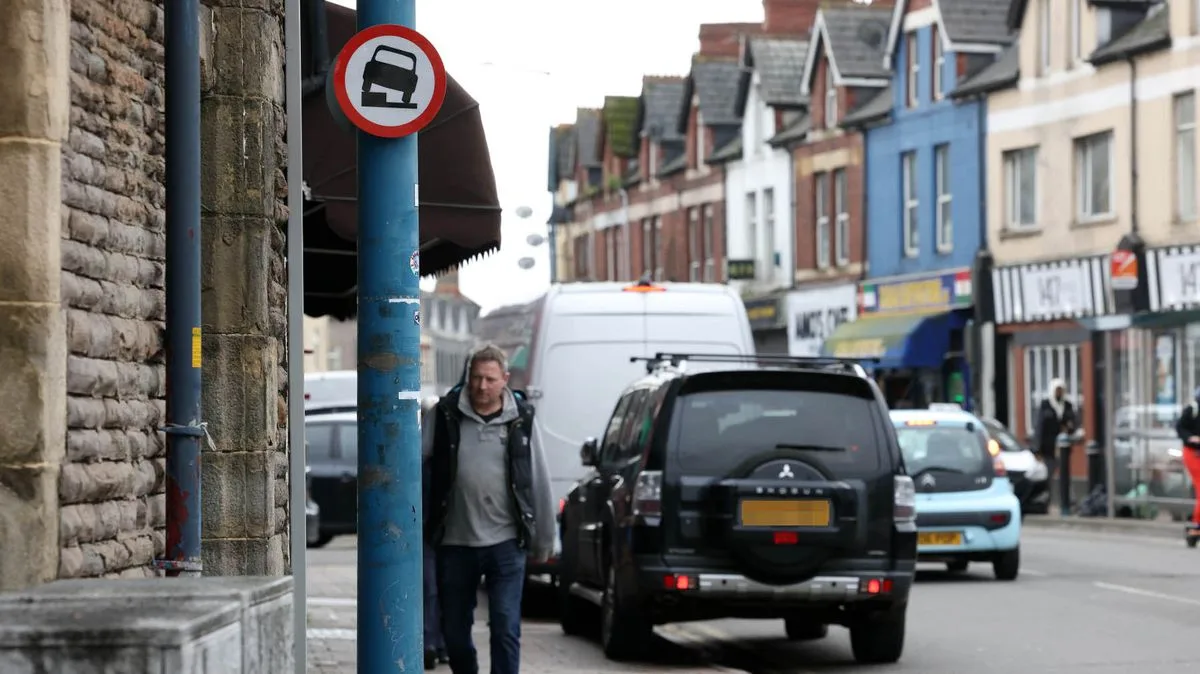
Motorists across the United Kingdom may need to carefully assess the number of vehicles parked on their private driveways, as a little-known regulation could result in substantial penalties. Offenders risk being slapped with fines that can reach up to £130 for obstructing access, highlighting a crucial aspect of parking enforcement that many drivers overlook.
The Dropped Kerb Conundrum
While there is no specific legislation that restricts how many cars a homeowner can keep on their private driveway, significant issues arise when parking blocks a dropped kerb. Also known as a vehicle crossover, a dropped kerb is a lowered section of pavement designed to allow vehicles to drive safely from the road across a pedestrian footway to access private parking areas. This feature involves lowering kerbstones and reinforcing the footway to accommodate vehicle weight.
Official Guidance and Penalties
According to official GOV.UK guidance on parking enforcement, obstructing a dropped kerb constitutes a contravention, particularly when it impedes vehicles or pedestrians from crossing between the road and a driveway. Local councils possess the authority to issue a Penalty Charge Notice (PCN), with fines typically ranging from £70 to £130, depending on the specific location and severity of the obstruction.
The Highway Code further reinforces this rule by cautioning drivers against stopping or parking where kerbs are lowered for purposes such as wheelchair access or vehicle entry. It explicitly states that this prohibition includes situations where parking would block access to driveways or pedestrian crossings, underscoring the importance of maintaining clear pathways.
Enforcement Practices
Enforcement authorities, including groups like the North Essex Parking Partnership, emphasize that parking beside a dropped kerb can cause considerable inconvenience and is actively monitored by civil enforcement officers. They confirm that vehicles obstructing more than 50 percent of a driveway access point are liable to receive a PCN, demonstrating a strict approach to ensuring accessibility and safety.
Private Driveway Considerations
Despite these regulations, there is no UK-wide legislation that limits the number of vehicles on a private driveway itself, as outlined by property and legal advice services such as Citizens Advice. The primary concern revolves around whether parking creates an obstruction, causes a nuisance, or constitutes a change of use that could require planning permission.
Households are generally permitted to keep multiple vehicles on private land if space allows, but problems may emerge if the storage takes on a commercial character. In such instances, planning permission might be necessary if the driveway begins to function like a business operation or a public car park, shifting its use beyond residential purposes.
Local Authority Scrutiny
Local authorities also evaluate environmental and safety implications when assessing parking situations, as per GOV.UK guidance on highways and planning enforcement. This includes considerations such as whether parking creates obstructions, limits visibility for other road users, or negatively impacts neighbours' amenities, ensuring a holistic approach to community welfare.
Exemptions and Final Advice
The regulations surrounding dropped kerbs are stringent, with exemptions granted only in restricted cases, such as for emergency services, loading activities, or where proper consent has been obtained. Councils warn that informal agreements to park across a public dropped kerb can still lead to fines if enforcement regulations are violated, highlighting the need for compliance over convenience.
Ultimately, experts suggest that while the number of cars you can park on a driveway is not explicitly capped, obstructing access is the key factor that triggers enforcement actions. As long as all vehicles remain within the property boundary and do not block a dropped kerb, driveway capacity remains largely unrestricted under UK law, allowing homeowners flexibility provided they respect accessibility rules.