Russia Ramps Up Pressure on Telegram Amidst Military Criticism
In a significant escalation of digital censorship, Russian authorities have launched a targeted crackdown on the Telegram messaging app, focusing on users who express criticism of soldiers and military operations. This development underscores the Kremlin's tightening grip on online discourse, particularly as it relates to the ongoing conflict in Ukraine and domestic perceptions of the war effort.
Targeting Dissent and Pro-War Voices
The crackdown is not limited to anti-war sentiment; it also extends to pro-war bloggers who deviate from official narratives. Reports indicate that Russian security forces are monitoring and suppressing accounts that question the conduct of soldiers or challenge government-sanctioned propaganda. This dual approach aims to control all aspects of military-related discussion, ensuring that only state-approved messages circulate widely.
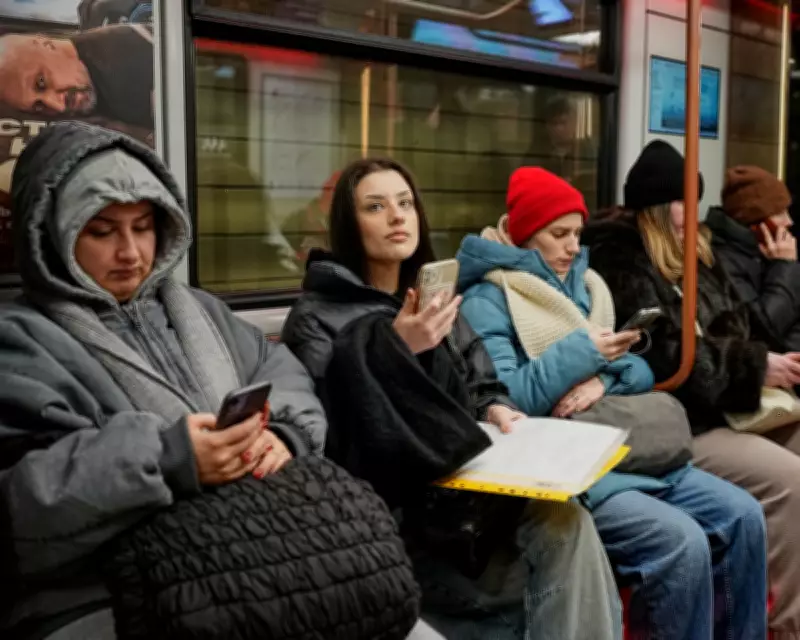
Telegram, known for its encrypted communication features, has become a battleground for free speech in Russia. The app has historically been a platform for both dissent and pro-government messaging, but recent actions suggest a shift towards more aggressive regulation. Authorities are employing legal and technical measures to restrict access to certain channels and penalize users who violate new guidelines on military criticism.

Implications for Digital Freedom and Public Discourse
This move has raised alarms among human rights advocates and digital freedom organizations. They warn that the crackdown could further erode civil liberties in Russia, setting a precedent for increased surveillance and control over social media platforms. The targeting of both critics and pro-war figures highlights the government's desire to monopolize war-related narratives, leaving little room for independent analysis or public debate.
The situation reflects broader trends in Russia's approach to information warfare, where controlling the digital sphere is seen as crucial to maintaining domestic stability and support for military actions. As conflicts persist, such measures may become more frequent, impacting not only Telegram but other online platforms used by Russians to share information and opinions.
In summary, Russia's intensified crackdown on Telegram over criticism of soldiers marks a pivotal moment in the country's digital policy, with far-reaching consequences for free expression and the flow of information in times of war.