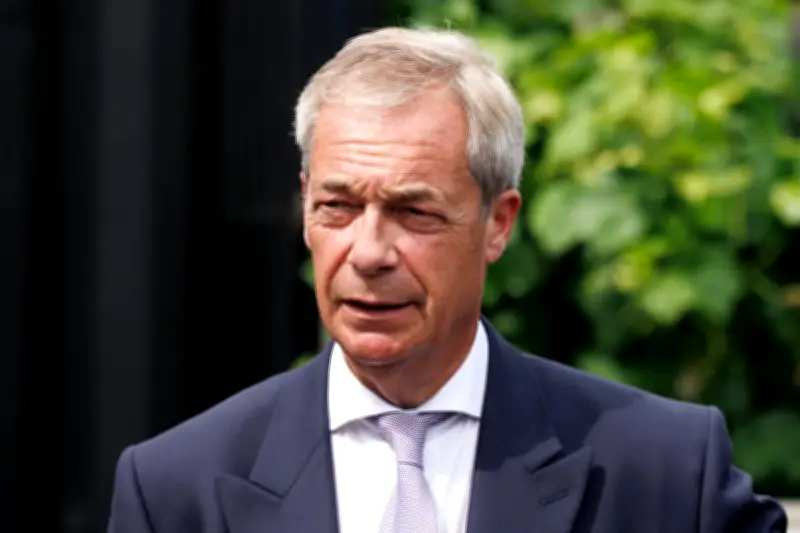
Police have arrested a man in London for allegedly threatening to kill Reform UK leader Nigel Farage, according to reports. The suspect, who reportedly described himself as a terrorist on social media, is alleged to have posted a message on X warning Farage: "I am going to shoot you in the head if you win."
Details of the Threat
The threatening message was reportedly posted on May 8, following the local and mayoral elections. Authorities have not yet released the suspect's name or further details about the arrest. The investigation is ongoing, and police have not commented on the specific nature of the threat or the suspect's background.
Nigel Farage's Response
Nigel Farage, leader of the Reform UK party and prominent Brexit campaigner, has not publicly commented on the incident. His office has been contacted for a statement. The arrest comes amid heightened political tensions in the UK, with Farage being a polarizing figure known for his strong stance on immigration and EU withdrawal.

Police Investigation
The Metropolitan Police have confirmed the arrest but have not provided additional details. A spokesperson stated: "Officers arrested a man in London on suspicion of making threats to kill. He remains in custody. Inquiries are ongoing." The suspect is believed to have been taken to a central London police station for questioning.
Context and Reactions
This incident follows a series of security concerns involving UK politicians. In recent years, threats against public figures have increased, prompting enhanced security measures. The arrest highlights ongoing concerns about online hate speech and the safety of elected officials. Political leaders from across the spectrum have condemned the threat, emphasizing the importance of respectful discourse and the rule of law.
Next Steps
The suspect is expected to appear in court later this week. The Crown Prosecution Service will review the evidence to determine charges. Farage is likely to receive additional security as a precaution. The case has drawn attention to the need for robust legal responses to online threats against politicians.