The destruction of homes and villages in southern Lebanon has left a deep emotional mark not only on those living there, but also on the estimated 15 million members of the Lebanese diaspora spread across Australia, Europe, and the Americas. For the past two years, many have watched from afar as Israeli attacks on their motherland, particularly in southern villages, have caused widespread devastation. More than 1.2 million people have been displaced, thousands killed, and roughly 14.3% of Lebanese territory ordered to be vacated. While those within the country endure their own suffering, the diaspora faces a different struggle: the loss of familial homes they may not be able to return to, severing a fundamental connection to their identity.
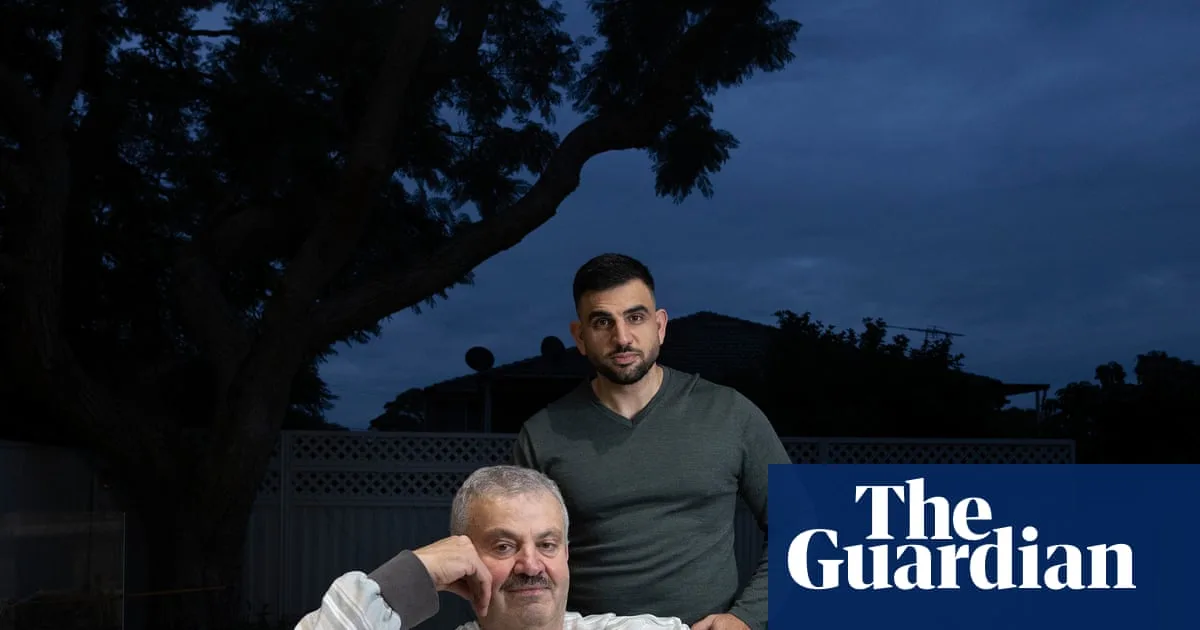
Ali Hamka, a construction worker living in Sydney, described the pain of seeing his family home in Bint Jbeil levelled in April. “My grandparents’ home was one of many happy memories,” he said. “When I first went back in 1999, I remember feeling at ease with people I was properly meeting for the first time. These were people who loved you without really knowing you, because your photo had been on a wall.” He added that it was difficult to explain his feelings upon learning the home was destroyed: “You are in Australia looking at images and videos, trying to work out which street it is, which building it is, whether it is your family home or someone else’s.” His grandmother, around 90 years old, has lived through conflicts since the 1970s and is now homeless again. “Seeing her being made homeless again is very hard to accept,” he said.
Suha Karam Hourani, who relocated to San Diego from her village Deir Mimas 31 years ago, had planned to retire in the village before her apartment was destroyed in May. The village, known for olive oil production and ancient olive trees, was at the centre of the conflict. “I found out from a neighbour through text messages. At first, I was shocked and couldn’t believe it, but when they sent over photos I realised it was true,” she said. “The apartment I had was a very special place for me because I lived abroad and it was always a dream to have a place in the village that I could return to. I put my heart and soul into designing every layer of it.” Her two children are also devastated, as they had hoped to have a home in the village.
For the diaspora, the loss of a home in south Lebanon is not just about a building. Families are connected to a ḥāra, a small family quarter within the village, so destruction erases a family presence and part of the community’s social map. “When a village is destroyed, it is not just infrastructure. It is family history. It is elders losing the place they expected to grow old and die in. It is children losing the chance to know where they come from,” the source notes. Despite the devastation, the bond to the land remains strong, with many vowing to rebuild as a statement that they are still there.