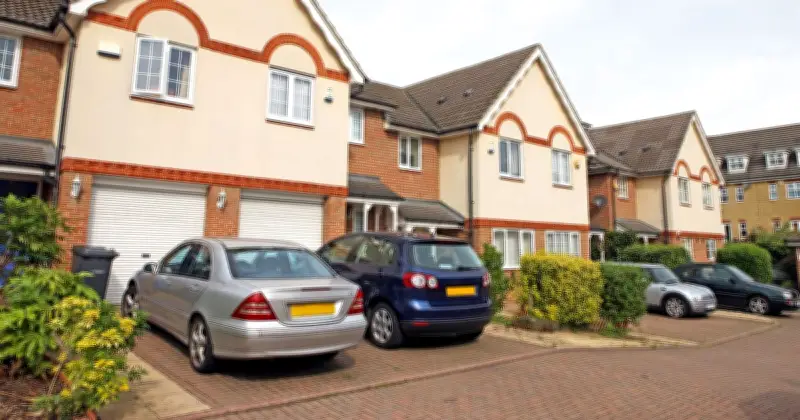
Drivers who find a stranger's car parked on their driveway have been warned not to take matters into their own hands, as actions such as clamping or damaging the vehicle could lead to legal trouble. Instead, a lawyer has explained three simple steps people can take when a vehicle is left on private property without permission.
Treating the issue as trespass
Paul Britton, CEO of Britton and Time law firm in London and Brighton, said the problem would normally be treated as trespass rather than a criminal offence. He told WalesOnline: "If someone actually parks on your drive, it's trespass, a civil matter, not usually a crime. That means police often won't attend unless there's aggravation (threats, damage, breach of the peace)."
His first suggestion is to leave a clear and polite note on the windscreen asking the driver to move their vehicle and giving them a time limit. If the owner is known, the second option is to approach them directly and politely ask them to move it, while keeping the conversation calm.
Formal steps for repeat problems
For people repeatedly facing the same issue, the third step is more formal. Mr Britton suggests considering a warning letter from a solicitor before potentially pursuing civil action if necessary. However, he stressed that homeowners should not attempt to remove or immobilise the vehicle themselves.
He said: "You can't clamp them. Private clamping is generally unlawful. If someone dumps a car on your drive, the law gives you civil remedies, but no quick DIY removal route. Don't damage it, push it into the road, block it in, clamp it or tow it. Don't get into a confrontation - especially if you're filming or they are."
When councils and police may step in
Councils will not normally intervene when a vehicle is sitting on private land. However, the position may be different if it is parked on a public road and blocks access to a driveway. Mr Britton explained: "If your car is blocked in on your own drive, you're again into obstruction/enforcement territory - start with the council (if on the road) and police only if there's danger, threats or serious obstruction."
Richard Evans, head of technical services at We Buy Any Car, also advised drivers to gather evidence and avoid taking matters into their own hands. He said: "If a vehicle is parked on your private drive without permission, this is usually a civil matter rather than a criminal one, and councils will not normally intervene. You should not block the vehicle in or attempt to clamp it yourself, as this could lead to legal trouble.
"Instead, try to locate the owner and take photos for evidence. If it becomes a recurring issue, clear signage or legal advice may be appropriate, but a calm and proportionate response is always recommended."
There are also steps homeowners can take to discourage the problem from recurring, including installing signs, bollards, posts, or cones. John Wilmot, CEO of car leasing comparison site LeaseLoco.com, said: "While the most effective way to protect your property is installing a driveway gate, putting out simple deterrents like parking bollards or posts, cones and signs can also help to prevent strangers from parking in your driveway."