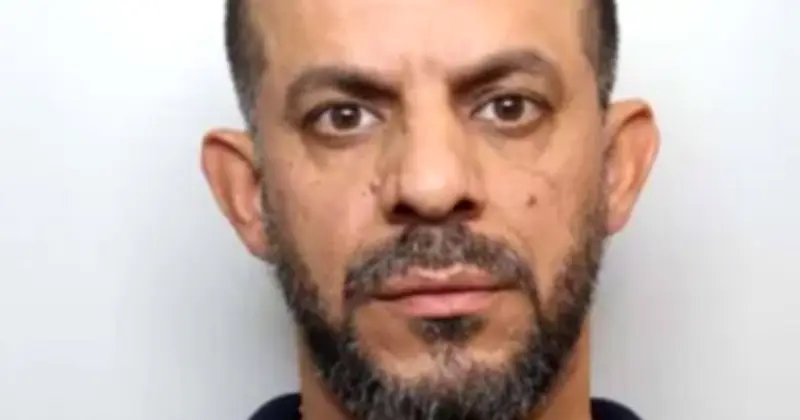
Zana Abdul Rahman Rahim, a convicted Isis-linked terrorist who plotted to kidnap the British ambassador, has entered the UK illegally after allegedly smuggling himself into the country in the back of a lorry. Rahim, 43, was jailed for seven and a half years in Italy for his role in a jihadist network that planned attacks on Western targets and sought to obtain weapons for use across Europe.
Entry and Discovery
He arrived in Dover in June after travelling from France, having made several attempts to enter Britain. Rahim was identified earlier this month when West Yorkshire Police officers stopped his car after spotting a broken light. A background check revealed his terrorist past, despite an exclusion order banning him from entering the UK.
He has admitted unlawful entry and is due to be sentenced on October 30. The Home Office is expected to seek his deportation.
Background and Network Role
The case was reported by The Times, which revealed how Rahim had managed to return to Britain despite his previous conviction and the ban. Rahim was a senior member of Rawti Shax, an extremist network founded by Najmadin Faraj Ahmad, better known as Mullah Krekar.
Krekar, Rahim's father-in-law, was a Kurdish Islamist preacher who sought to establish a caliphate and had links to al-Qaeda-affiliated Kurdish militants. The network operated a jihadist training camp in Syria and attempted to acquire weapons for attacks across Europe, according to Italian court documents.
When Krekar was imprisoned in Norway in 2012, members of the group discussed kidnapping prominent figures, including the British ambassador, to secure his release. Rahim acted as Krekar's spokesman and right-hand man during his imprisonment, helping to coordinate the network's activities and maintain relationships with financiers.
Arrest and Extradition
He was among 16 suspected operatives arrested in a coordinated European police operation in 2015. At the time, Rahim was living in Derby and working washing cars. During extradition proceedings, Julian Knowles, who represented the Italian authorities, described the group's objectives as "international terrorism" involving "violent actions against western targets". Mr Knowles said Rahim was regarded as a senior figure who helped direct the organisation and oversee its financial relationships.
Rahim initially resisted extradition, but he and other suspects were eventually sent to Italy, where he received his prison sentence. Krekar was extradited from Norway to Italy in 2020 and jailed for 12 years for planning terrorist acts.
Political Reaction and Next Steps
The latest case has prompted criticism from Chris Philp, the shadow home secretary, who said it exposed serious weaknesses in Britain's border security. He said: "This shows that the UK's border crisis is also a security crisis. Illegal immigrants have committed numerous crimes including murder and multiple rapes. This shocking case shows illegal immigrants are also a security risk. An evil Islamist terrorist who plotted to kidnap diplomats and arm extremists is now here. He should be urgently deported."
A Home Office spokesperson said foreign nationals who received prison sentences in the UK were referred for deportation at the earliest opportunity and barred from returning. Rahim's case raises fresh questions about how a man subject to an exclusion order was able to enter Britain and remain in the country until a routine traffic stop exposed his identity.