Nato is already engaged in a war with Russia, a former senior commander of the military alliance has declared, amid growing transatlantic tensions over Ukraine.
Retired four-star general Curtis Scaparrotti, who previously served as head of US forces in Europe, cautioned that there was a long-term strategy behind the Kremlin's "spurious activities" targeting member states, and emphasised the urgent need to safeguard critical infrastructure.
One of Moscow's key objectives was to "break" Nato, he added.
Remarks at Atlantic Council event
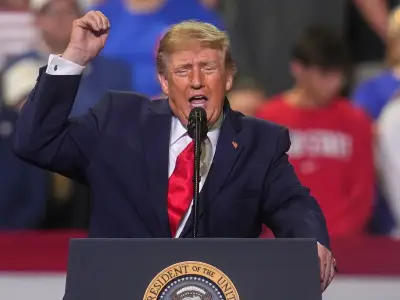
Mr Scaparrotti's remarks at an Atlantic Council think-tank event in Washington, DC, come against a backdrop of strained diplomatic ties following US President Donald Trump's diesel supply deal with Russia, as he attempts to drive down soaring fuel prices ahead of domestic elections next month.
Critics contend that lifting sanctions on fuel purchases from Moscow will simply serve to finance its ongoing war against Ukraine.
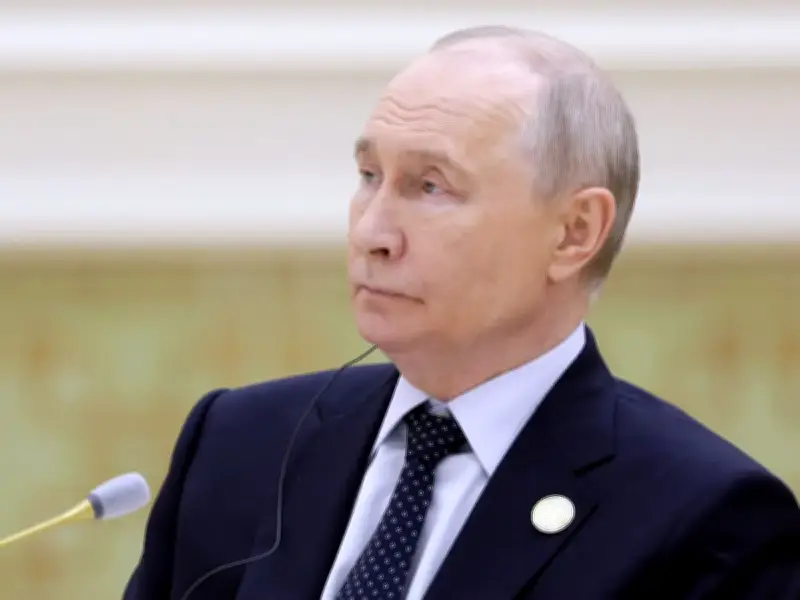
The resulting dispute has prompted Mr Trump to suggest Ukraine required a new leader, and to assert that Russian President Vladimir Putin was more eager for a peace settlement than the government in Kyiv.
It has further sparked concerns regarding US intelligence sharing and the use of Elon Musk's Starlink satellite communications network, upon which Ukraine heavily depends for its defence.
British support for Ukraine
In a show of solidarity, Andy Burnham welcomed Ukrainian leader Volodymyr Zelensky to Downing Street, pledging continued British support.
Both leaders also concurred that "Russia had no interest in peace". The tense circumstances emerge alongside continuing warnings regarding the danger presented by the Kremlin to Ukraine's allies, through what's known as hybrid warfare, including drone and cyber attacks.
Britain's critical undersea cables have long been regarded as susceptible to sabotage by Russian spy vessels.
Russian doctrine explained
Discussing "Russian doctrine", Mr Scaparrotti, who served as Nato's Supreme Allied Commander Europe from 2016 to 2019, explained: "When they look at warfare, they don't have a line between peace and war."
"Those things that we typically put on the peace side, like these hybrid activities etc, something short of a large physical attack of some kind or one that's done by a conventional force, that's all a part of their spectrum of war, unlike us. So that's routine for them, and we've got to come to terms with that."
"So from my perspective, if you looked at it from their spectrum, we're at war with Russia today, within the alliance, because they're taking actions that are intended to undermine individual countries' capability to support warfare, undermine their civilians' confidence in their own government or within Nato, and to break Nato."
He continued: "We should take seriously the fact that this isn't just spurious activities on the Russians' part. You can count on it that it has a plan behind it, that it's strategic, that it's long-term, and that we should take seriously the protection of our infrastructure."
Questions over US commitment
Despite the broadly recognised danger presented by Moscow, since re-entering the White House Mr Trump has adopted a conciliatory stance towards his Russian counterpart while expressing criticism of longstanding allies.
Last month the US president maintained Mr Putin was "not looking to attack Nato territory", despite an attempted drone attack on a German airport that European nations, including the UK, attributed to the Kremlin.
Mr Trump's reluctance to condemn Russia has prompted additional questions regarding Washington's dedication to the enduring alliance and its fundamental principle of collective security.