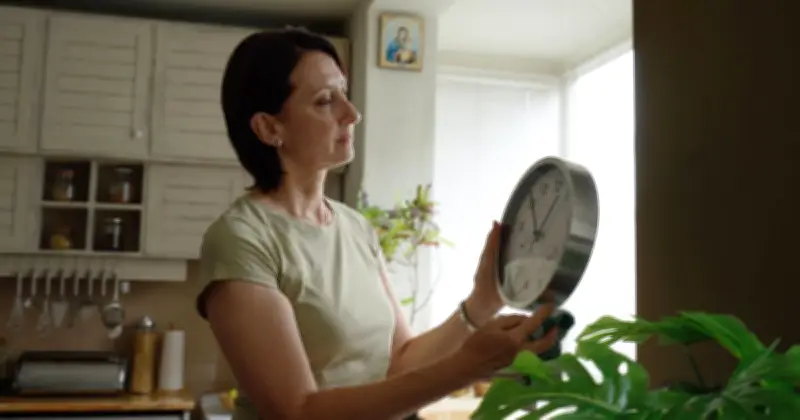
UK clocks will go back one hour at 2am on Sunday, October 25, 2026, marking the end of British Summer Time (BST) and the return to Greenwich Mean Time (GMT). The date falls a day earlier than in 2025, when clocks were turned back on Sunday, October 26.
Why the clocks change
The autumn change brings earlier sunsets and darker evenings, which means workers can miss much of the day's natural light. On the positive side, households gain an extra hour in bed when the clocks fall back.
A common way to remember the direction of the change is the phrase "spring forward, fall back." Most modern devices, including smartphones and smartwatches, will update automatically at 2am, reverting to 1am. Traditional clocks, however, will need to be adjusted by hand.
Impact on daylight hours
The practice of changing the clocks was introduced to make the most of natural daylight hours. The shift means mornings will be brighter, gaining an extra hour of daylight, but darkness will also descend earlier in the evenings.
According to timeanddate.com, sunset in London on October 14 took place at 6:12pm. Days will gradually shorten, with sunset dropping to 6:48pm by Wednesday, September 30, and further still to 4:50pm on Sunday, October 25 – the day the clocks turn back.
Future clock changes
Looking ahead, the clocks will spring forward next year on Sunday, March 28, 2027, and fall back on Sunday, October 31, 2027 – the latest possible date on which clocks could go back within any given year.