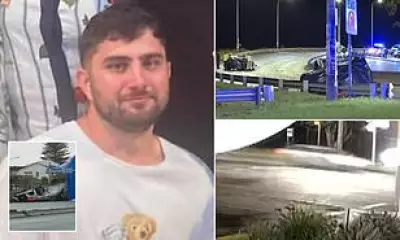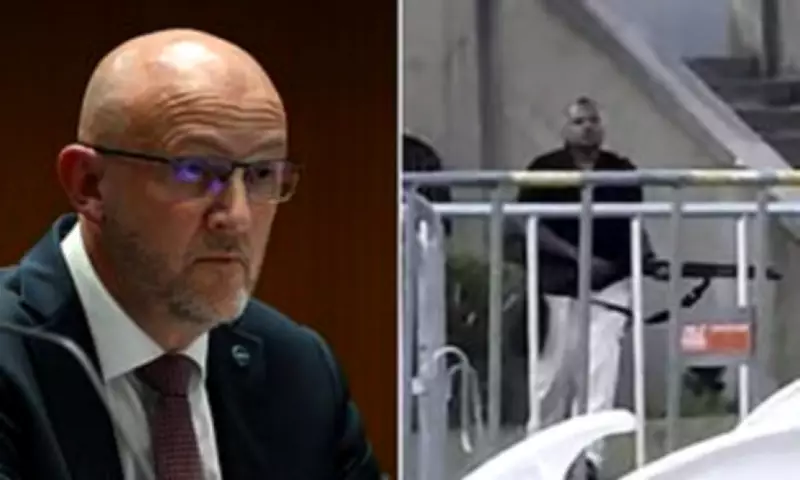
A former undercover agent has made a startling claim that one of the Bondi Beach gunmen voiced support for Islamic State a full five years before the deadly attack occurred. This revelation directly contradicts official statements made by authorities in the immediate aftermath of the tragedy.
Details of the Attack and the Alleged Intelligence
Sajid Akram, aged 50, allegedly killed 15 people in the horrific December 14 massacre. He was assisted by his son, Naveed Akram, who remains in custody awaiting trial on a staggering 59 separate offences. Sajid Akram was ultimately shot and killed by police officers during the chaotic attack on Bondi Beach.
Despite the Australian Security Intelligence Organisation (ASIO) stating publicly that the father-son duo were not on any official watchlists prior to the attack, the former agent, known by the codename 'Marcus', asserts he provided critical intelligence to the agency much earlier.

The Undercover Operation and 2019 Retreat
Marcus, who was posing as a radical cleric within a street-preaching group called Bankstown Street Dawah, told the ABC he shared information with ASIO indicating the Akrams had been radicalised as early as 2019. He claims this intelligence detailed Naveed Akram's connections to an Islamic State cell operating within Australia.
The agent reported that IS sympathisers were actively attempting to brainwash Naveed using propaganda videos. Furthermore, Marcus alleges the group was discussing concrete plans for potential terrorist attacks in Sydney, highlighting a significant and previously unreported threat.
In a key development, Marcus was invited to a retreat in May 2019 attended by both Naveed and Sajid Akram. Also present at this gathering was Isaac El Matari, the self-declared leader of Islamic State in Australia. This retreat is presented as a critical moment where the alleged radicalisation and support for IS were visibly demonstrated.
Contradiction with Official Narrative
The claims made by the former undercover agent stand in stark opposition to the initial official narrative. ASIO had previously assured the public that the Akrams were not subjects of interest or on the authorities' radar before the Bondi Beach attack. Marcus's testimony suggests a potential intelligence failure or a gap in how information was assessed and acted upon.
This new information raises serious questions about the timeline of the Akrams' radicalisation and the efficacy of counter-terrorism monitoring in the lead-up to one of Australia's deadliest attacks. The allegations point to a concerning possibility that warning signs may have been present years in advance.
As the legal proceedings against Naveed Akram continue, these claims from a former insider are likely to fuel further scrutiny and debate over national security protocols and intelligence-sharing mechanisms within Australia's counter-terrorism framework.