Spanish prosecutors have recorded 23 sexual assaults in Ceuta since a mass influx of migrants entered the Spanish territory at the end of July, including nine cases involving children. Ceuta's chief prosecutor, Silvia Rojas, told El Pais that the figures amounted to almost one reported case every day.
Rojas warned that migrant girls were particularly vulnerable because of their irregular status in the territory. She said the influx had resulted in an "exponential increase" in sexual assaults, while cautioning that the true number could be higher because many victims had not reported what happened. Some women and girls were reluctant to come forward because of fear or because of their current circumstances in Ceuta.
Migrant influx and remaining numbers
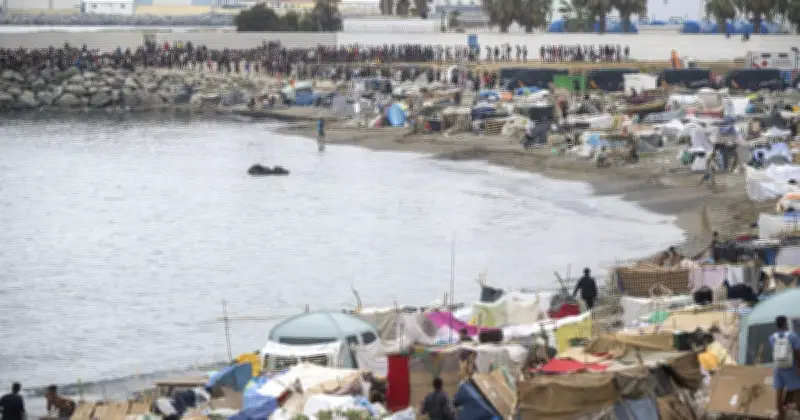
An estimated 72,000 migrants crossed from Morocco into Ceuta on July 30 and 31, although the vast majority have since returned. As many as 5,000 are believed to remain in the Spanish exclave, including between 1,400 and 1,600 children, according to Rojas.

The reported suspects in the sexual assault cases include four Moroccans, three Spaniards and one Belgian, according to Efe news agency.
Victims and medical response
A Moroccan woman told the BBC she had "put her life in danger" travelling to Ceuta and claimed to have been sexually assaulted while sleeping among a group of men and women. Emergency doctor Susana Ascaso said her department at Ceuta University Hospital had treated several victims of sexual assault, including a 10-year-old child.
The Spanish Society of Epidemiology said the crisis had underlined the difficulties involved in identifying and tackling violence against migrant women and girls.
Political and diplomatic fallout
The reports come as tensions between migrants and local residents have intensified in recent days, with scenes of violence reported in parts of the territory. Spanish Prime Minister Pedro Sanchez held a second meeting of the country's national security council within a week on Tuesday as his government faces mounting pressure over the crisis.
The Spanish cabinet has approved a multi-million-euro aid package intended to provide essential services and support the care of unaccompanied children in Ceuta. The territory's mayor, Juan Jesus Vivas, has called for demonstrations across mainland Spain in support of Ceuta on Wednesday, which coincides with the city's annual holiday.
The crisis has also become a major political issue, with the hard-right Vox party accusing Sanchez of failing to maintain control of the territory. Sanchez has said King Felipe VI will visit Ceuta "as soon as conditions allow", in what has been seen as an attempt to reinforce Spain's authority over the territory.
Ceuta, together with the Spanish territory of Melilla, is claimed by Morocco, although both remain under Spanish sovereignty. A visit by the King could create diplomatic difficulties with Rabat. The last visit by a Spanish head of state to Ceuta, by King Juan Carlos in 2007, was followed by Morocco recalling its ambassador to Madrid.
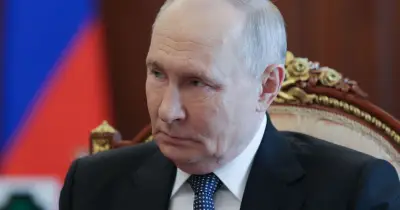
Sanchez has also faced criticism over his comments about the role of Morocco in the crisis. The prime minister said there were no intelligence reports indicating "any involvement in one way or another" by Moroccan authorities in the mass crossing. Instead, he pointed to what he described as disinformation on social media linked to Russia, Israel and an international far-right movement. Both Russia and Israel have denied involvement. Israeli Foreign Minister Gideon Sa'ar accused Sanchez of telling "a blatant lie", while Russia called for evidence supporting the allegations. Morocco has also denied orchestrating or being involved in the mass crossing.