Forget fleeting fashion or tech fads – the most intimate aspects of our lives are set for a cultural shake-up. Experts are forecasting 2026 as the definitive 'year of pleasure', marked by a surprising blend of analogue connection and digital fantasy that will redefine dating, sex, and relationships across the UK.
The Analogue Resurgence: Office Romance and Meaningful Encounters
According to Elizabeth Neumann, a qualified sexologist at the retailer Lovehoney, the casual hook-up is facing extinction. Data indicates that Gen Z (those born between 1997 and 2012) are far more likely to attribute 'meaning' to sexual encounters than older generations were at their age. The concept of 'body count' holds significant weight for them, signalling a shift away from purely physical, transient experiences.
Several factors are driving this change. Younger people are drinking less, with one survey showing only 15% of 18-24-year-olds have had a drunken sexual encounter, compared to 69% of 25-34-year-olds. "Without the inhibition-lowering effects of alcohol or specific spaces where hooking up is socially sanctioned, it is no wonder that one-night stands are in decline," Ms Neumann explained.

Furthermore, economic pressures and the housing crisis mean many young adults live with their parents for longer, reducing privacy and opportunity for spontaneous liaisons. This generation's sexuality has been shaped 'chronically online', leading to both greater knowledge and different expectations around intimacy.
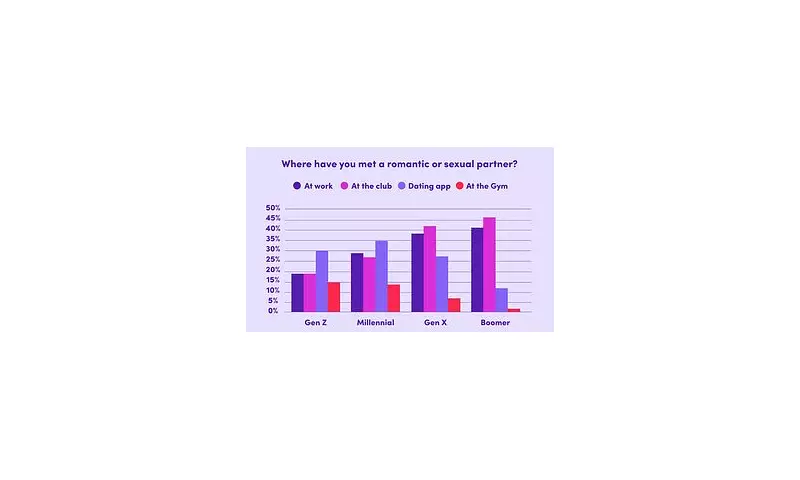
As dating apps decline due to 'swipe fatigue' and mistrust, real-world connections are poised for a major comeback. The office is predicted to become a prime new social space for romance, especially as Gen Z enters hybrid or full-time office work for the first time. While only 19% of Gen Z have met a partner at work (compared to 41% of Boomers), experts believe those odds are about to 'exponentially increase'.
"From a psychological perspective, face-to-face encounters activate non-verbal cues we've lost online," said Lovehoney's sex and relationship expert Annabelle Knight. "Eye contact, body language, scent, and the general 'vibe' of a person all help to build attraction more authentically than any algorithm can." This analogue rebellion will also fuel a resurgence in speed-dating nights, 'bring a friend' singles parties, and digital detox dates.
The Digital Intimacy Revolution: AI as Coach and Partner
In a fascinating counter-trend, technology will simultaneously seduce us into new forms of intimacy. The report highlights the rise of the 'digital threesome' – a relationship dynamic that incorporates Artificial Intelligence on some scale.
Fifteen per cent of Brits already use AI for sex advice, with a further 10% expressing a desire to do so. Others are employing AI as a personal dating coach, asking chatbots for feedback on their relationships or date-night strategies. Some are even introducing AI as a romantic partner itself. For a nation where sex remains taboo for many, AI provides a private, non-judgmental sounding board for intimate questions.
"This trend could unfold in stark contrast to technological advancements, with technology itself seducing us through AI dating coaches, digital threesomes, and fantasy-fuelled escapism," Neumann stated.
Pleasure, Play and Changing Norms
The overarching theme for 2026 is a confident, informed pursuit of pleasure. With sexual taboos continuing to erode, sex toy ownership is becoming completely mainstream, moving from a defining, stigmatised purchase to a normal part of life. Experts predict a boom in playful, fantasy-inspired toys with cute and mythical designs.
Age-gap relationships are also gaining wider acceptance. "Age gap dating is becoming more accepted because people are realising that emotional compatibility, not just age, is what sustains attraction," commented Sarah Mulindwa, Lovehoney's sexual health expert. "It's not about chasing youth, it's about embracing a new kind of confidence."

Ultimately, the forecast for 2026 suggests a society empowered with more knowledge and less shame. Brits will be searching for deeper, more satisfying connections, whether forged in the physical reality of the office or explored through the limitless potential of digital fantasy, marking a definitive move away from the transient and towards the meaningful.