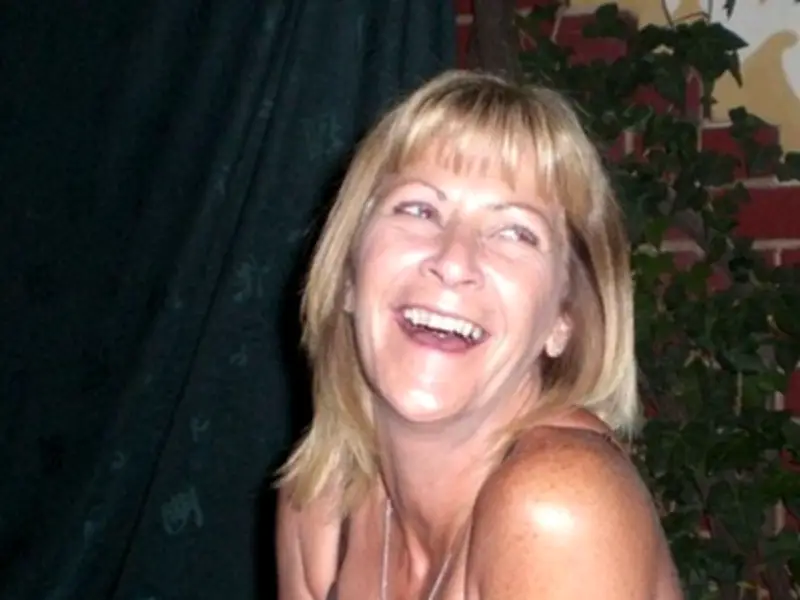
A man is scheduled to stand trial next week for the murder of a Scottish woman whose body was discovered in Greece. Jean Hanlon, a 53-year-old from Dumfries, was found dead in the water in Crete’s Heraklion on March 13, 2009, four days after she disappeared during a night out.
After a prolonged fight for answers, a Greek man known to Hanlon was set to face trial on Friday, accused of her murder. He denies any involvement. However, her three sons were left stunned by what they described as a "massive setback" after traveling to Crete together for the first time since the tragedy, only to learn the trial had been postponed at the last minute.
Trial Rescheduled to Tuesday
The trial will now take place on Tuesday at Lassithi Criminal Court in Neapoli, according to BBC News. With just three days until the original start date, son Michael learned of the devastating delay during a court hearing while his brothers David and Robert were preparing to board their flights. The family understands that the accused had recently instructed a lawyer who needed more time to prepare the case.
Michael, 40, said: "The courts should have alerted us to this. They must have known he’s no had a lawyer for all that time. We’ve had the expense of travelling out here and taken the time off work, which is just the superficial things, but it’s also the mental preparation it has taken... It just shows how the victims are being treated yet again." Jean's sons were all present in court in Neapoli for the hearing.
Background of the Case
Hanlon moved to Crete in 2005, working in bars and restaurants in the coastal resort of Kato Gouves. Her death was initially reported as a drowning, but a second post-mortem examination suggested injuries consistent with a struggle. The examination revealed a catalogue of injuries, including a broken neck, punctured lung, and shattered rib.
The family has faced a series of setbacks in their pursuit of justice. The case was "archived" by local authorities in 2018, but in 2021, police confirmed a third probe into Hanlon’s death. The case was then passed to the Greek Department of Organised Crime, which concluded that a crime had taken place leading to her death.
Breakthrough and Charges
A report from private investigator Haris Flaskounis was passed to prosecuting authorities last year, leading to a major breakthrough. Flaskounis’s investigation focused on the contents of Hanlon’s diary, which she wrote in every day. This led him to befriend the suspect and secure vital information that resulted in the prosecution.
A 54-year-old man originally from Crete was charged in January last year. However, in August, the case was thrown into doubt over claims of insufficient evidence from Greek officials. The family’s legal team confirmed that appeal judges at Heraklion Judicial Council ruled that the man would stand trial for Hanlon’s murder.
Michael expressed hope after 17 years, stating: "We never thought we would get to this point. It is a victory but we’ve not won the war. We might get the closure we need, to finally let Mum rest."