Syrian Spy Charged with Crimes Against Humanity in UK Landmark Case
Syrian Spy Charged with Crimes Against Humanity in UK

Syrian Spy Faces Historic Crimes Against Humanity Charges in UK Court

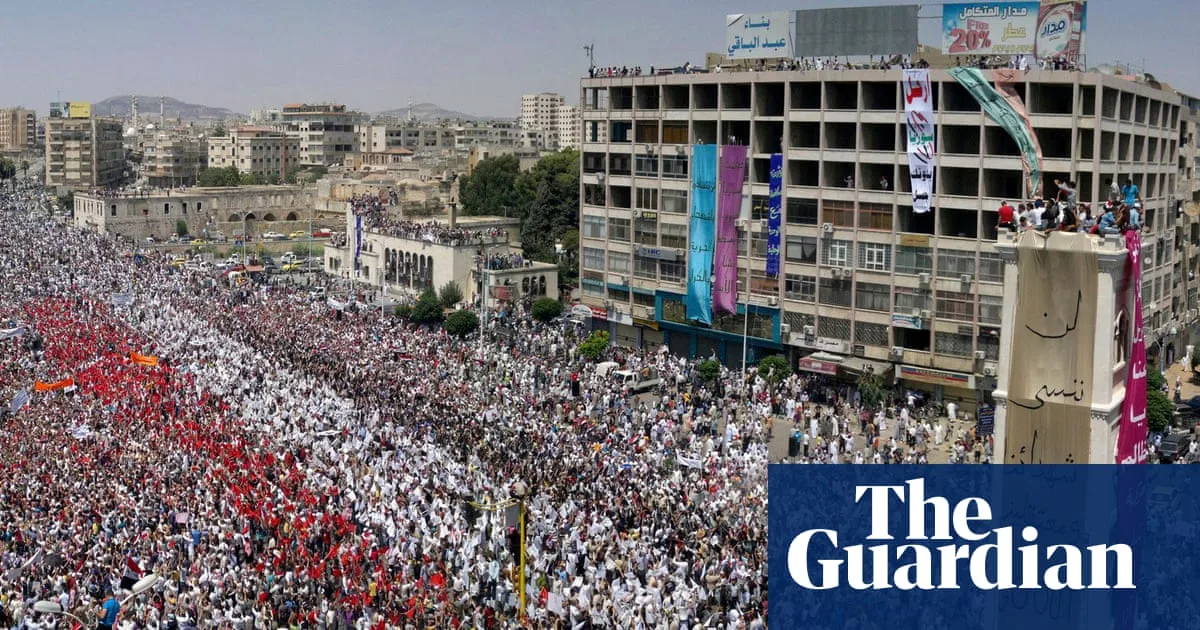
A Syrian military intelligence officer, aged 58, has been charged with crimes against humanity in a groundbreaking prosecution that represents the first of its kind ever brought in the United Kingdom. The defendant, who cannot be named for legal reasons, fled to the UK after allegedly playing a leading role in the violent suppression of protesters in Syria at the outset of the uprising against the regime of former leader Bashar al-Assad.

Unprecedented Legal Action Under International Law

This landmark case marks the first occasion where the Crown Prosecution Service has charged an individual with murder as a crime against humanity under the International Criminal Court Act 2001. It constitutes only the second prosecution initiated by Scotland Yard's specialised war crimes unit over the past two decades, highlighting the exceptional nature of this legal proceeding.

The defendant faces seven serious charges including three counts of murder as a crime against humanity, three counts of torture, and one offence of conduct ancillary to murder as a crime against humanity. Legal representatives are expected to submit an application requesting that the man be tried anonymously throughout the judicial process.

Complex Investigation Spanning Multiple Countries

Detectives have reportedly dedicated more than five years to building a comprehensive case against the accused individual. The investigation involved extensive enquiries across numerous international jurisdictions and required close cooperation with various global partners alongside colleagues from the Crown Prosecution Service.

Commander Helen Flanagan, who leads Counter Terrorism Policing's war crimes unit, described the investigation as "incredibly complex and challenging." She emphasised that the charges demonstrate full support for the UK's "no safe haven" policy regarding alleged war criminals, stating that authorities "will not hesitate to investigate those rigorously and robustly" when presented with allegations falling within their jurisdiction.

Alleged Crimes During Syrian Uprising

The prosecution alleges that the defendant committed war crimes while leading a group that attempted to suppress demonstrations in the village of Jobar, located near Damascus, during April 2011. These activities are connected to Syria's feared Syrian Air Force Intelligence agency, which the European Centre for Constitutional and Human Rights has previously characterised as the "most powerful and most brutal" of Syria's state security organisations.

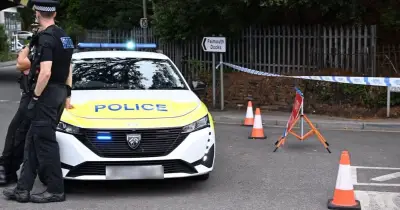
Police arrested the suspect at an address in Buckinghamshire during December 2021, approximately one year after officers received a tip-off concerning an individual within the Syrian armed forces. Following his arrest, the man was released on bail for five years while police continued their detailed investigation.

Legal Framework and Previous Prosecutions

British legislation permits the prosecution of specific serious international crimes including murder, rape, torture, and enslavement regardless of where these offences were committed. Crimes against humanity apply when specified acts occur "as part of a widespread or systematic attack directed against any civilian population, with knowledge of the attack."

The International Criminal Court Act 2001 grants extraterritorial jurisdiction for alleged offences committed after January 1, 1991, by anyone in the UK or overseas by British nationals, residents, or service personnel. This legal framework enables the prosecution of international crimes that might otherwise fall beyond conventional jurisdictional boundaries.

In the only other prosecution brought by the elite war crimes unit during the last twenty years, Agnes Reeves-Taylor, aged 54 and ex-wife of a former Liberian president, was charged with torture during Liberia's civil war in 2017. However, that case ultimately collapsed following a technical appeal when a judge determined insufficient evidence existed regarding the Taylor regime's governmental control over areas where alleged crimes occurred.

Prosecution's Position and Court Proceedings

Bethan David, head of the CPS's counter-terrorism division, confirmed that prosecutors have determined sufficient evidence exists to bring seven offences under both the International Criminal Court Act 2001 and the Criminal Justice Act 1988. The alleged war criminal was formally served with a postal charge requisition on Monday, officially notifying him of the charges he now faces.

The defendant is scheduled to appear at Westminster Magistrates' Court, where this unprecedented case will begin its journey through the British judicial system. This prosecution represents a significant development in international justice efforts and demonstrates the UK's commitment to holding alleged perpetrators of the most serious international crimes accountable, regardless of where those crimes were originally committed.