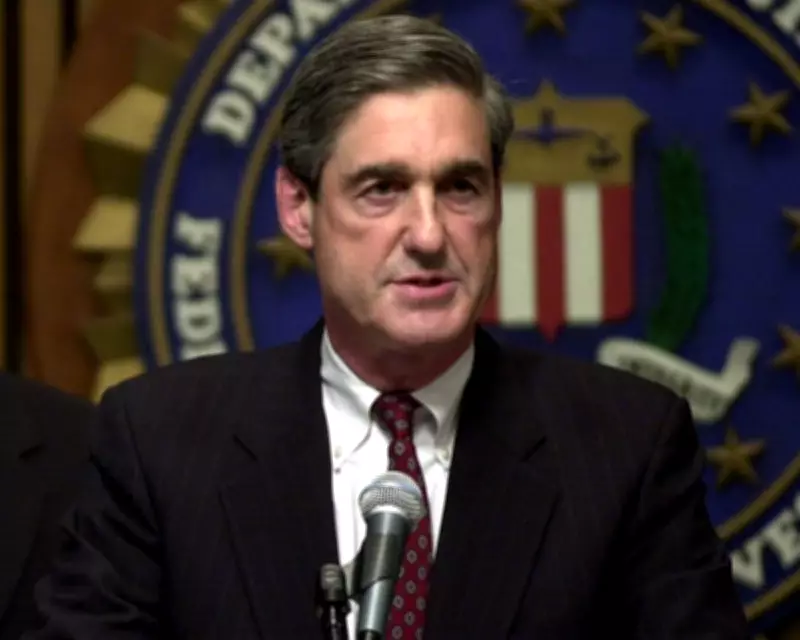
Robert Mueller, Former FBI Director and Key Figure in Trump-Russia Inquiry, Passes Away at 81
Robert Mueller, the former director of the Federal Bureau of Investigation (FBI) who spearheaded the high-profile investigation into Russian interference in the 2016 US presidential election, has died at the age of 81. His death marks the end of a distinguished career that included pivotal roles in national security and law enforcement, from responding to the 9/11 attacks to prosecuting major criminal figures.
The Trump-Russia Investigation and Its Aftermath
Appointed as special counsel in 2017, Mueller led a two-year inquiry into alleged collusion between Donald Trump's campaign team and Russian operatives. The investigation, which Trump repeatedly dismissed as a "witch-hunt", dominated much of his first term as president. Mueller's report, published in 2019, was inconclusive, finding that Russia intervened in a "sweeping and systemic fashion" to benefit Trump's bid but failing to establish direct collusion by the campaign.
In a controversial passage, Mueller wrote: "While this report does not conclude that the President committed a crime, it also does not exonerate him." The report cited 10 episodes where Trump and his aides may have obstructed the investigation, potentially leading to impeachment, but Mueller delivered what was essentially a not-proven verdict. Attorney General William Barr's initial release of only selected highlights allowed Trump to claim, erroneously, total exoneration, frustrating Mueller who felt critical aspects were omitted.

The investigation resulted in indictments against Russian spies, hackers, and former Trump advisers, including campaign manager Paul Manafort, jailed for fraud, and national security adviser Michael Flynn, who pleaded guilty to lying about contacts with a Russian ambassador. Both were pardoned by Trump in 2020.
A Stalwart of Integrity and National Security
Mueller served as FBI director from 2001 to 2013, appointed by President George W. Bush and extended by Barack Obama due to his impressive record. Just seven days into his tenure, the 9/11 attacks occurred, prompting Bush and Vice-President Dick Cheney to condone enhanced surveillance and torture techniques. Mueller distanced the FBI from these practices, barring agents from participating in torture and threatening to resign over warrantless wiretaps in 2004, forcing a backdown.
He oversaw a major modernisation of the bureau post-9/11, recruiting agents with language and computer skills and improving inter-agency cooperation to address intelligence failures. His 12-year tenure made him the longest-serving director since J. Edgar Hoover. However, in 2013, he defended the National Security Agency's mass surveillance, revealed by whistleblower Edward Snowden, arguing it could have prevented 9/11.
Early Career and High-Profile Cases
Before leading the FBI, Mueller had a robust legal career, prosecuting figures like mafia boss John Gotti, convicted in 1992, and Panama dictator Manuel Noriega, jailed for drug trafficking. He also led the US side of the investigation into the 1988 Lockerbie bombing, coordinating with international agencies to secure the conviction of Libyan Abdelbaset al-Megrahi.
Born in New York City, Mueller graduated from Princeton University and New York University, served as a Marine in Vietnam earning a Bronze Star and Purple Heart, and practiced law before rising through US attorney offices. He is survived by his wife, Ann Standish, and two children.