Pulse Nightclub Demolished to Make Way for Memorial to 2016 Mass Shooting
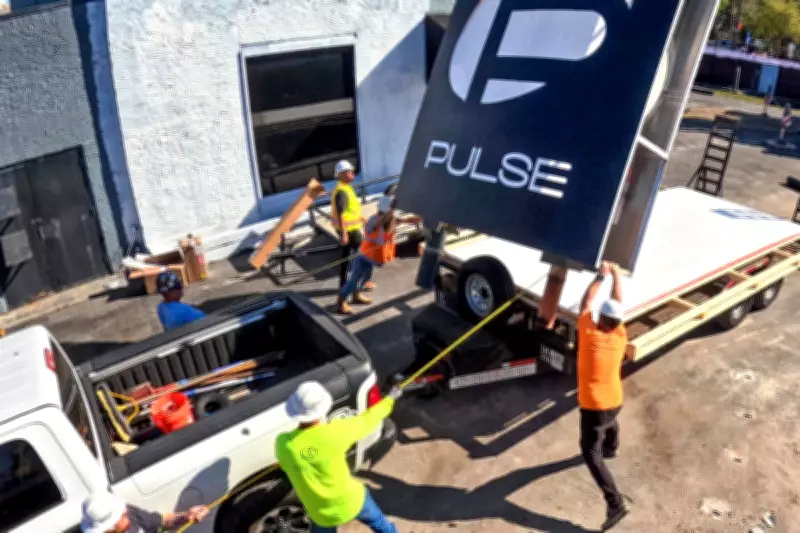
Demolition commenced at Orlando's Pulse nightclub on Wednesday, as the city initiated the process to clear the site for a permanent memorial dedicated to the 49 individuals tragically killed in the 2016 mass shooting. This marks a significant step in honoring the victims nearly a decade after the horrific attack at the LGBTQ-friendly venue.
Demolition Details and Historical Context
Crews began tearing down the walls of the long-shuttered nightclub, which still bore visible bullet holes from the June 12, 2016, incident. On that fateful night, a gunman opened fire during a Latin night celebration, resulting in the deaths of 49 people and injuries to 53 others before police ended the standoff by killing the assailant. The attacker had previously pledged allegiance to the Islamic State group, adding a layer of complexity to the tragedy.
Memorial Plans and Financial Aspects
The city of Orlando acquired the Pulse property in 2023 for $2 million, following a failed multiyear effort by a foundation led by the club's former owner to purchase the site. Plans are now underway to construct a $12 million permanent memorial, scheduled to open in 2027. This memorial aims to provide a solemn space for reflection and remembrance, ensuring the victims are never forgotten.

Political Tensions Surrounding LGBTQ+ Monuments
The development of this memorial occurs during a contentious period for LGBTQ+ historical monuments, particularly since the start of President Donald Trump's second term. Recent federal actions have included the removal of a pride flag from the Stonewall National Monument, in compliance with a National Park Service memo restricting flag displays to only the U.S. flag and the Department of the Interior flag. Similarly, in Orlando, local officials faced conflicts with Republican Governor Ron DeSantis last year when workers painted over a rainbow mural on the crosswalk in front of Pulse. This action was prompted by a Florida Department of Transportation memo banning "surface art" associated with "social, political or ideological messages" that do not serve traffic control purposes.
The demolition and memorial project symbolize a community's resilience and commitment to healing, even as broader political debates continue to influence the recognition of LGBTQ+ history and rights. The Pulse nightclub site, once a place of joy and celebration, is now being transformed into a beacon of memory and hope for future generations.