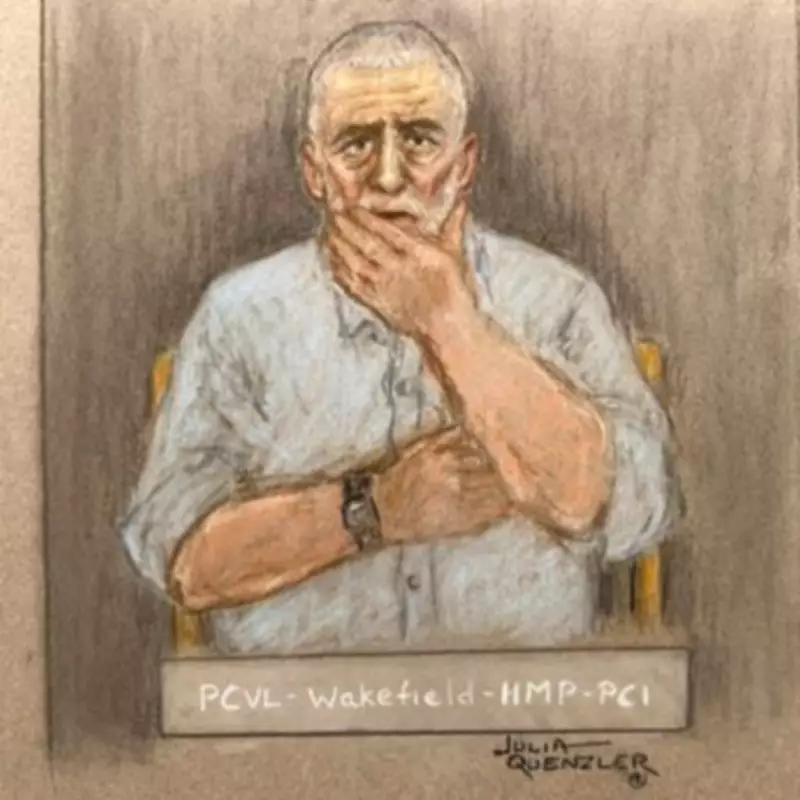
A significant development has emerged in one of Britain's most protracted miscarriages of justice, as the police watchdog initiates a formal investigation into the case. Peter Sullivan, infamously known as the "wolfman," endured thirty-eight years behind bars for a murder he did not commit, marking what is believed to be the longest wrongful imprisonment in UK history.
Conviction Overturned After Decades
Peter Sullivan was originally found guilty of the 1986 murder of 21-year-old Diane Sindall in Bebington, Merseyside. Sentenced at the age of thirty, he is now in his sixties after spending nearly four decades incarcerated. His conviction was finally quashed by three senior judges, a decision that came seventeen years after his initial attempt to overturn the verdict.
Independent Office for Police Conduct Steps In
The Independent Office for Police Conduct (IOPC) has now launched a comprehensive investigation into complaints related to the Merseyside Police investigation that led to Sullivan's wrongful conviction. In an official statement, the IOPC confirmed: "The Independent Office for Police Conduct (IOPC) is investigating complaints linked to the Merseyside Police investigation that led to Peter Sullivan being wrongfully convicted of murder."

This probe aims to scrutinise the police procedures and evidence handling that resulted in such a grave miscarriage of justice, highlighting systemic issues within the criminal justice system.
Historical Context and Legal Battles
The case dates back to the mid-1980s, when Diane Sindall's tragic death shocked the community. Sullivan's conviction relied heavily on circumstantial evidence and witness testimonies that have since been called into question. Over the years, legal advocates and supporters persistently challenged the verdict, culminating in the recent quashing after a prolonged legal struggle.
This landmark ruling not only exonerates Sullivan but also sets a precedent for reviewing other potential wrongful convictions, emphasising the need for rigorous oversight in police investigations.
Implications for Justice Reform
The IOPC's involvement underscores growing concerns about police accountability and the reliability of criminal convictions. As the investigation unfolds, it may lead to reforms in how murder cases are investigated and prosecuted, aiming to prevent similar injustices in the future.
Public and legal experts are closely monitoring the situation, advocating for transparency and justice for Sullivan, who has lost decades of his life due to this error. The case serves as a stark reminder of the human cost of judicial failures and the importance of continuous review mechanisms within the legal framework.