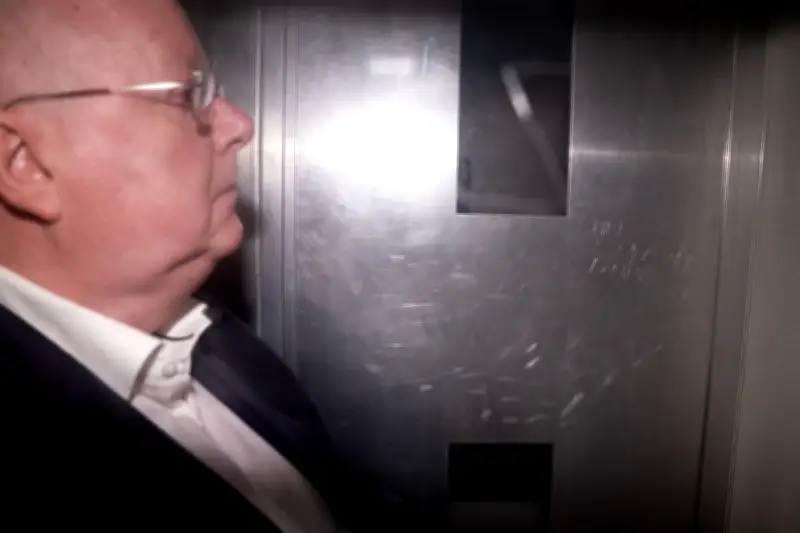
Peter Murrell, the former chief executive of the Scottish National Party (SNP), has been sentenced to five years and three months in prison after embezzling more than £400,000 from the party. The sentence was handed down by Lord Young at the High Court in Edinburgh on Tuesday.
Details of the Embezzlement
Murrell pleaded guilty last month to embezzling a total of £400,310.65 over a 12-year period between August 2010 and October 2022. The court heard that he used the funds to make hundreds of extravagant purchases, including a £124,550 motorhome, cars, jewellery, luxury homewares, and designer stationery.
Lord Young described the crime as a “calculated crime of dishonesty” involving a “large number of fraudulent acts over a 12-month period while you were chief executive officer of the SNP.” He noted that the offending increased in frequency and amount over time, adding: “You found yourself unable to stop this offending, and it was only the detection of the crime that brought it to an end.”
How Murrell Concealed His Actions
Murrell’s role as chief executive allowed him to make direct transfers of cash from the party’s main bank account, which held funds from membership fees and donations. He also used multiple party charge cards and made false expense claims. To avoid suspicion, he gave his purchases misleading descriptions in the SNP’s finance system.
For example, a robotic lawnmower costing £3,070 was misdescribed as “legal fees,” and a silver wine coaster worth £3,500 was listed as “leadership expenses.”
Investigation and Aftermath
The offending came to light after police received complaints about potential mismanagement of SNP finances in March 2021. A subsequent investigation, known as Operation Branchform, uncovered evidence of Murrell’s embezzlement. His former wife, Nicola Sturgeon, was arrested and questioned as part of the probe but faced no action. She has stated she was “deceived, misled and betrayed” and has been “completely exonerated.”
Murrell’s lawyer, John Scullion KC, presented pleas in mitigation, stating that Murrell had lived “in almost total isolation” and had been “ostracised” by former colleagues, becoming a “figure of public ridicule.”
The case has sparked widespread calls for inquiries into Murrell’s wrongdoing.