Ghislaine Maxwell's Clemency Gambit: A Bid for Freedom Through 'Truth'
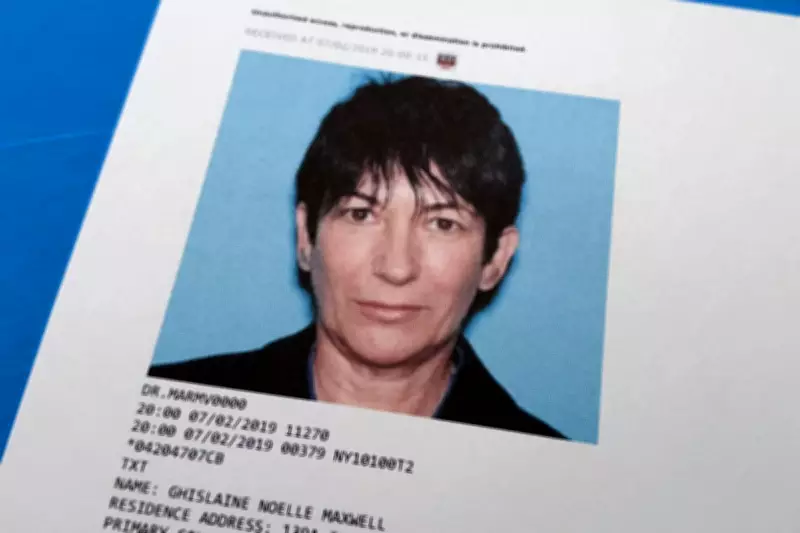
A photograph of Ghislaine Maxwell, included in documents released by the US Department of Justice, has resurfaced as she makes a controversial plea for clemency. Maxwell, convicted for her role in Jeffrey Epstein's sex trafficking ring, has proposed revealing what she calls the "unfiltered truth" about the case, but only if President Donald Trump grants her freedom from prison.
The Clemency Proposal and Its Conditions
Through her attorney, David Oskar Marcus, Maxwell stated her willingness to provide a "complete account" to Congress and the public, contingent upon receiving clemency. She specifically mentioned that both former Presidents Trump and Bill Clinton are "innocent of any wrongdoing," claiming she alone can explain why. This offer has reignited debates over the possibility of a presidential pardon or sentence commutation, though Trump's team has denied considering such action.
Expert Skepticism and Legal Analysis
Legal experts have expressed deep reservations about Maxwell's motivations and the credibility of any information she might provide. RJ Drelling, a defense attorney and former prosecutor, likened the situation to a "game of chess," suggesting Maxwell is leveraging potential disclosures to secure her release. He argued that conditioning testimony on clemency undermines her reliability, as it appears transactional rather than truthful.

Neama Rahmani, founder of West Coast Trial Lawyers, described the proposal as "distasteful" and "shameful," noting that with her Supreme Court petition denied, Maxwell faces decades in prison unless she obtains clemency. Eric Faddis, another defense attorney, highlighted the impracticality of enforcing conditions on presidential clemency, questioning how any promises from Maxwell could be legally binding.
Victims' Advocates and Broader Implications
Attorneys for Epstein's victims have condemned Maxwell's offer as a manipulative tactic. Spencer Kuvin of Goldlaw called it "leverage" rather than cooperation, emphasizing Maxwell's history of deception. Jennifer Freeman of Marsh Law Firm echoed this, stating that survivors deserve justice without crediting Maxwell's "twisted agenda."
John Day, a former prosecutor, advised that the truth should be sought through victim statements and unredacted documents, rather than relying on Maxwell's potentially "corrupt" testimony. He urged focusing on who is being protected through redactions in official records.
Political Context and White House Response
The clemency pitch comes amid ongoing political scrutiny over Trump's handling of Epstein-related files and his past associations. White House press secretary Karoline Leavitt indicated that granting clemency to Maxwell is not a priority for the president, who is focused on other issues affecting Americans. She confirmed that Trump is not currently considering such a move.
Maxwell's refusal to testify before Congress, while offering conditional cooperation, underscores the complex legal and ethical dilemmas surrounding her case. As discussions continue, the focus remains on whether her bid for freedom will succeed or be dismissed as another chapter in a long saga of manipulation and injustice.