NYC Mayor Mamdani Administration Seeks to Halt Legal Support for Ex-Mayor Adams in Sexual Assault Lawsuit
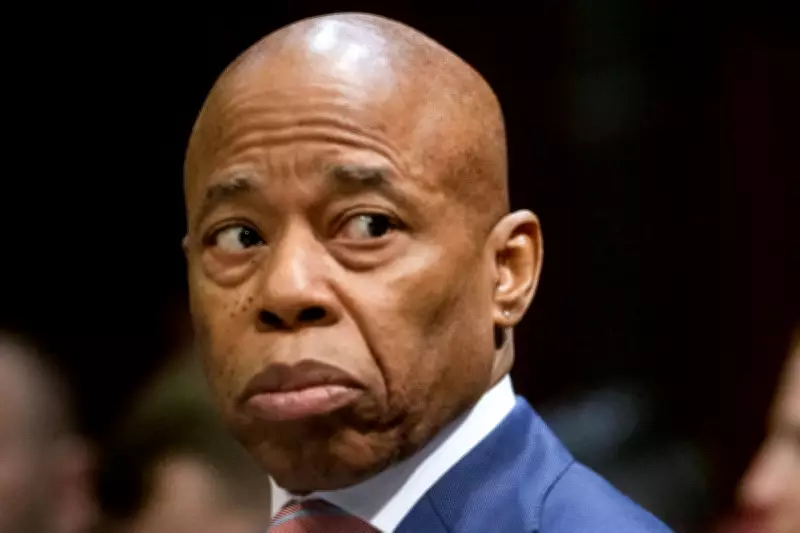
Court documents reveal that the administration of New York City Mayor Zohran Mamdani is seeking to cease legal representation for former Mayor Eric Adams in a lawsuit alleging sexual assault from over three decades ago. The motion was filed on Tuesday, March 17, 2026, marking a significant development in the ongoing legal and political saga.
Details of the Lawsuit and Allegations
The lawsuit, filed while Adams was still in office, accuses the former mayor of sexually assaulting a woman named Lorna Beach-Mathura in 1993. At the time, Adams was a police officer, and the suit alleges he demanded a sexual favor in exchange for helping advance her career within the police department. Adams has strongly denied these allegations, stating he does not recall ever meeting Beach-Mathura.
Beach-Mathura has consented to being identified publicly through her attorney, which aligns with The Associated Press policy of naming alleged victims only with their permission. The case was brought under New York's Adult Survivors Act, a law that extended the statute of limitations for sexual assault lawsuits. She first entered a claim in November 2023, just before the law's expiration, and later filed a detailed lawsuit against Adams.

Legal Grounds for Withdrawing Support
The motion from the city's corporation counsel argues that Adams is not entitled to city-funded legal support because he was "not acting within the scope of his City employment" at the time of the alleged assault. This legal stance suggests that the alleged incident occurred outside his official duties as a police officer, thereby relieving the city of any obligation to provide representation.
In a statement, Todd Shapiro, a spokesperson for Adams, expressed confidence that "the facts will ultimately prevail" in the case. Meanwhile, a spokesperson for Mayor Mamdani, Dora Pekec, emphasized that the decision was made independently by the Corporation Counsel, as required by law, and that Mamdani did not direct or influence the outcome.
Political Context and Rivalry
The move comes just months after Mamdani took office, following a contentious campaign season in which he and Adams, both Democrats, engaged in bitter personal attacks. Adams, who withdrew from last year's Democratic primary amid a federal corruption case that was later dismissed, ran as an independent and portrayed Mamdani as an out-of-touch liberal from a privileged background.
Mamdani, in turn, framed Adams as a corrupt leader with questionable ties to the Trump administration. Adams eventually endorsed former Governor Andrew Cuomo but intensified his attacks on Mamdani, even suggesting without evidence that a terror attack could become more likely if Mamdani was elected, citing concerns about Islamic extremism.
Mamdani went on to defeat Cuomo soundly in the November mayoral election, becoming New York City's first Muslim mayor and its youngest leader in generations. Since then, Adams has continued to criticize his successor on social media, highlighting the ongoing tension between the two.
Broader Implications and Additional Cases
In addition to the request to withdraw from Adams' case, the city's law department recently announced it will no longer pay for legal representation for two close allies of Adams in separate matters. This indicates a broader shift in how the Mamdani administration is handling legal support for figures associated with the previous administration.
When the lawsuit was initially filed, the city's corporation counsel described the allegations as "ludicrous" and expected "full vindication in court." However, the current motion reflects a reassessment of the city's role in defending Adams, focusing on the legal technicalities of employment scope rather than the merits of the case itself.
This development underscores the complex interplay between legal proceedings and political dynamics in New York City, with potential ramifications for how similar cases are handled in the future.