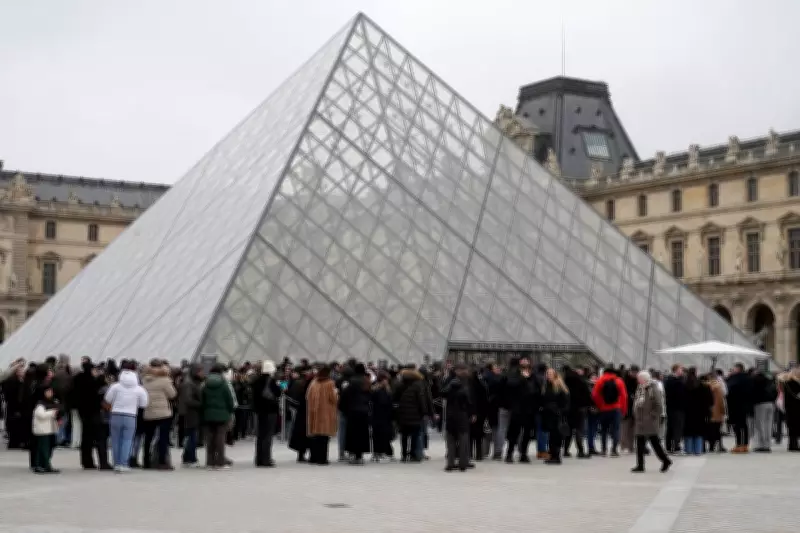
Laurence des Cars, the director of the world-famous Louvre museum in Paris, has officially resigned from her position. French President Emmanuel Macron has accepted her resignation, with his office describing it as an "act of responsibility." This move comes as the museum faces urgent needs for enhanced security and modernisation following a tumultuous year marked by multiple high-profile incidents.
Major Jewel Heist and Ongoing Investigation
The Louvre was rocked by a brazen jewel heist in October, where four burglars successfully stole an estimated $102 million worth of precious jewels. To this day, the stolen items have not been recovered, leaving a significant void in the museum's collection. In a related development, a Louvre security guard recently recounted discovering a £10 million crown on the floor after the theft, highlighting the chaotic aftermath of the crime.
Employee Strikes and Infrastructure Failures
In December, museum employees staged a strike to protest against what they described as inadequate security measures and chronic understaffing. These concerns were compounded by water leaks that caused damage to priceless books and paintings within the museum's holdings. Fortunately, the iconic Mona Lisa painting was not affected by these leaks, but the incidents underscored broader maintenance and safety issues.

Ticket Fraud Scheme Uncovered
Adding to the Louvre's woes, nine individuals have been charged in connection with a suspected ticket fraud scheme that allegedly operated for over a decade. This scheme, involving tour guides and Louvre employees, is believed to have resulted in losses exceeding €10 million for the institution. The scandal has further tarnished the museum's reputation and raised questions about internal oversight and financial management.
President Macron's office emphasised that des Cars' resignation is intended to pave the way for new leadership that can address these pressing challenges. The Louvre, as one of the world's most visited museums, now seeks to rebuild trust and implement robust reforms to prevent future security breaches and operational failures.