Children must leave school knowing how to handle water, an expert has warned, after the death toll of teenagers who drowned over the Bank Holiday weekend rose to seven. The Outdoor Swimming Society has joined calls for better education about water dangers, urging authorities to flood social media with warnings as soon as warm weather arrives.
Heartbreaking Losses Across the UK and Ireland
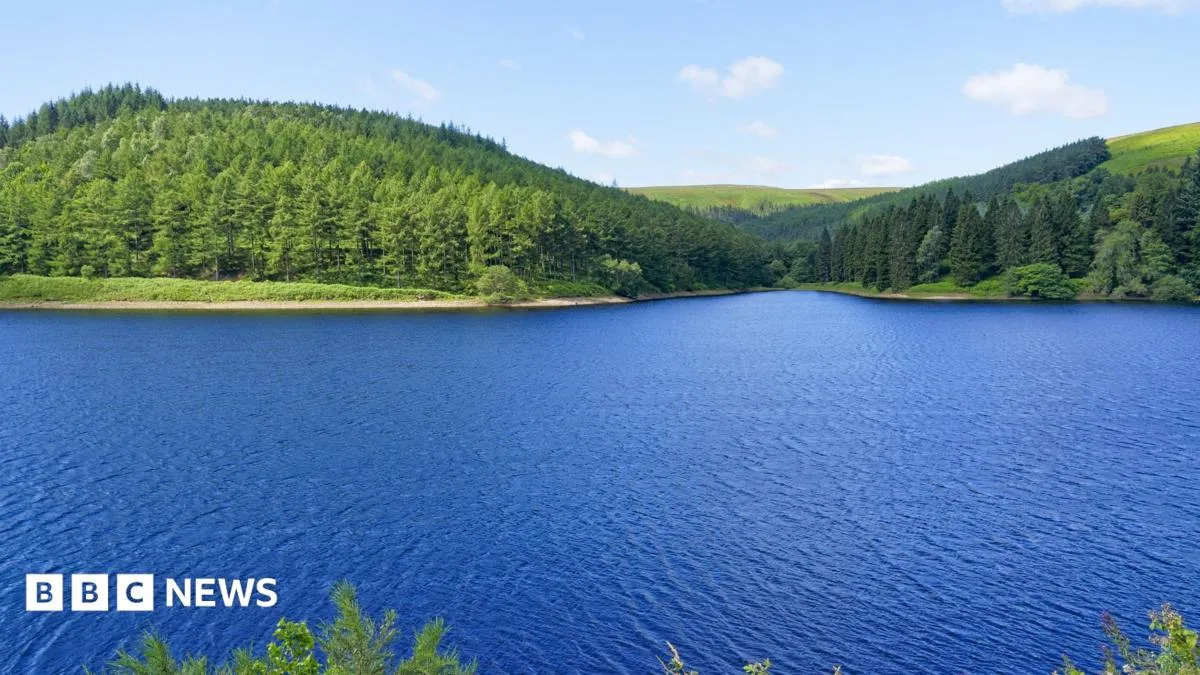
Declan Sawyer, 15, was discovered during a search of Swanholme Lakes near Lincoln on Sunday while the UK recorded record-breaking high temperatures. Abbie Carmody-Pepper, also 15, died while bathing at Burrow Beach in Dublin. Her death came hours after the body of a teenage girl, identified locally only as Lil, was recovered from Kingsbury Water Park in Warwickshire. On Monday, 13-year-old Reco Puttock was pulled from Leadbeater Dam near Halifax, West Yorkshire. That evening, the body of a 12-year-old boy was recovered from the River Ribble in Lancashire.
A sixth young victim, a teenage boy, got into trouble in Rotherham and was found after a search and rescue operation. Police also confirmed a body was found in the search for a 17-year-old who went missing while swimming in open water in Cheshire.
Expert Calls for Swimming Lessons and Social Media Campaigns
Kate Rew, author of the Outdoor Swimmers’ Handbook and a representative of the Outdoor Swimming Society, believes the biggest step toward reducing deaths is not telling children to stay out of water, but teaching them how to use it safely. She advocates targeted campaigns on platforms like TikTok and Instagram to deliver safety messages that have been severely lacking in recent years.
Ms Rew expressed concern over statistics showing an alarming increase in drowning among low-income and ethnically diverse children. Research indicates a need for greater government involvement, with one in four children leaving school unable to swim. “In the most deprived parts of England, fewer than half of children can swim 25 metres by the end of primary school, compared to around three quarters in the least deprived areas,” she said. “Swimming 25 metres in a warm indoor pool is very different from cold, moving outdoor water.”
“We need more swimming lessons, greater access to pools, and more opportunities for children and adults to build confidence in water safely. Swimming is one of the most accessible forms of exercise. This is about health, confidence, freedom, and joy, as well as safety.”
Not Just Teenagers at Risk
The danger extends beyond teenagers. A man in his 60s died on Tregirls Beach near Padstow, Cornwall, on Monday after running into the sea to help two relatives who got into difficulty. Ms Rew emphasised that when hot weather arrives, people will always seek out rivers, lakes, and the coast. “The answer is not telling people to stay away from water, but sharing information so they understand it and can enjoy it safely.”
She called for more practical water education where young people already are, including social media, particularly around cold water shock, currents, tides, jumping, and how to Float to Live. “Cold water can incapacitate even strong swimmers. Never jump without knowing depth and hazards below. If you get into trouble, float first, then control your breathing.”
Charity Urges Immediate Action on Curriculum
The Royal Life Saving Society (RLSS UK) has demanded that open water safety be added to the school curriculum immediately, warning that waiting until September could have serious consequences. While education bosses are committed to supporting the plan, the charity says action is needed now to prevent further tragedy. “RLSS UK contributed to reaching a significant milestone with the inclusion of water safety education in England's RHSE curriculum from September, but this vital information needs to be taught now across the UK to prevent tragedies,” a spokesperson said.